

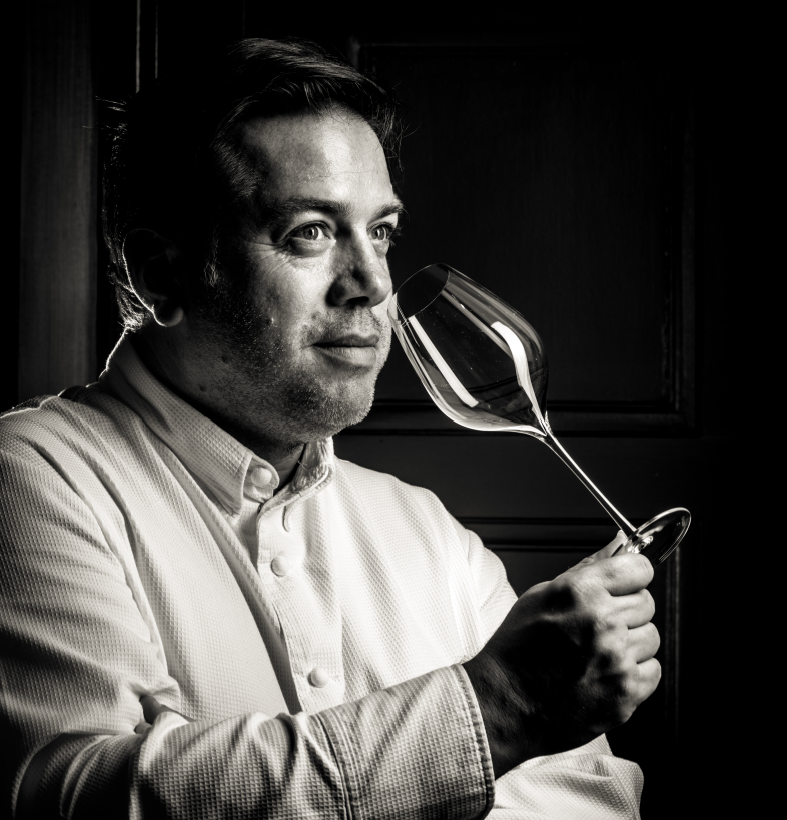


RESPECT AND SHAPE
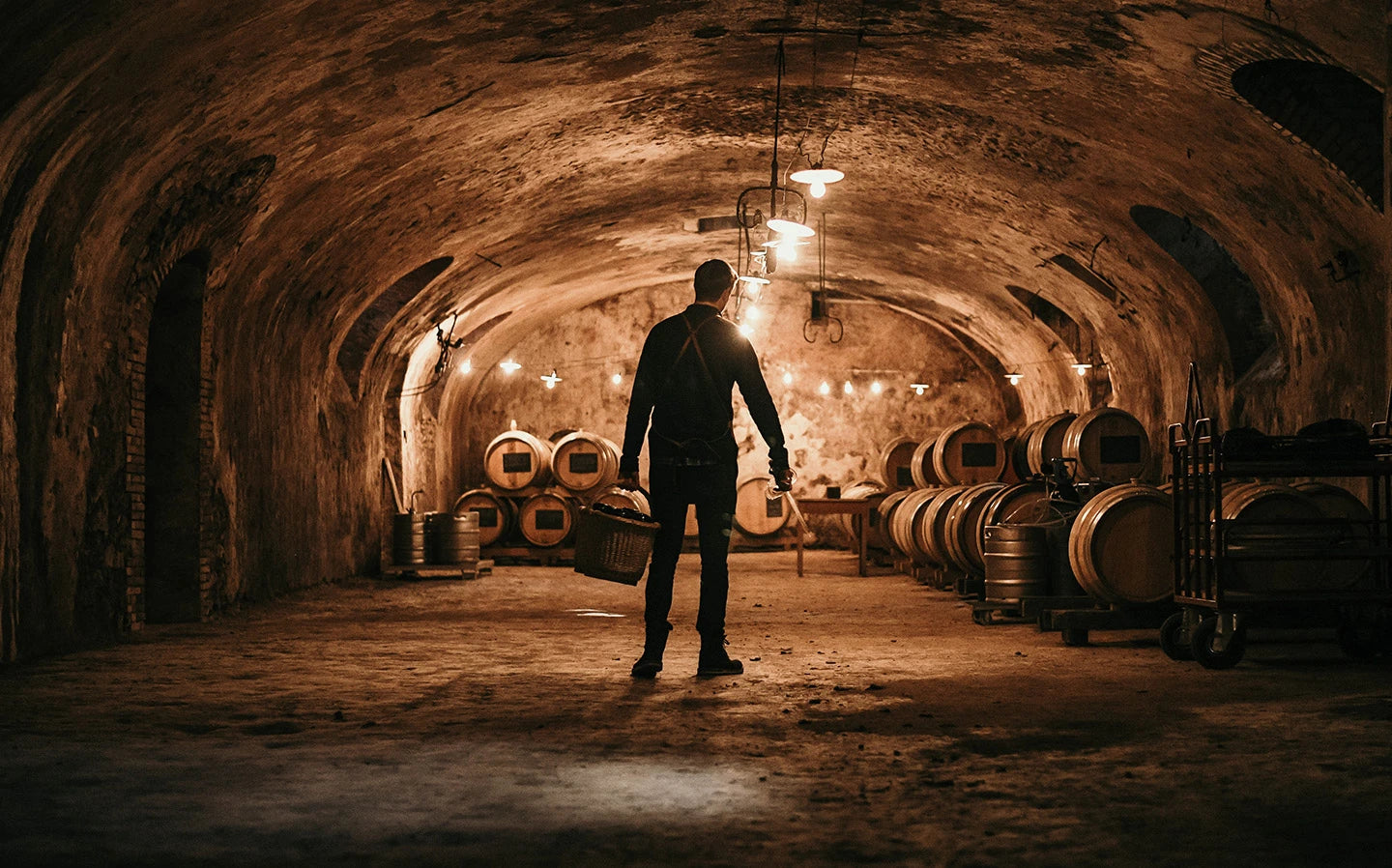
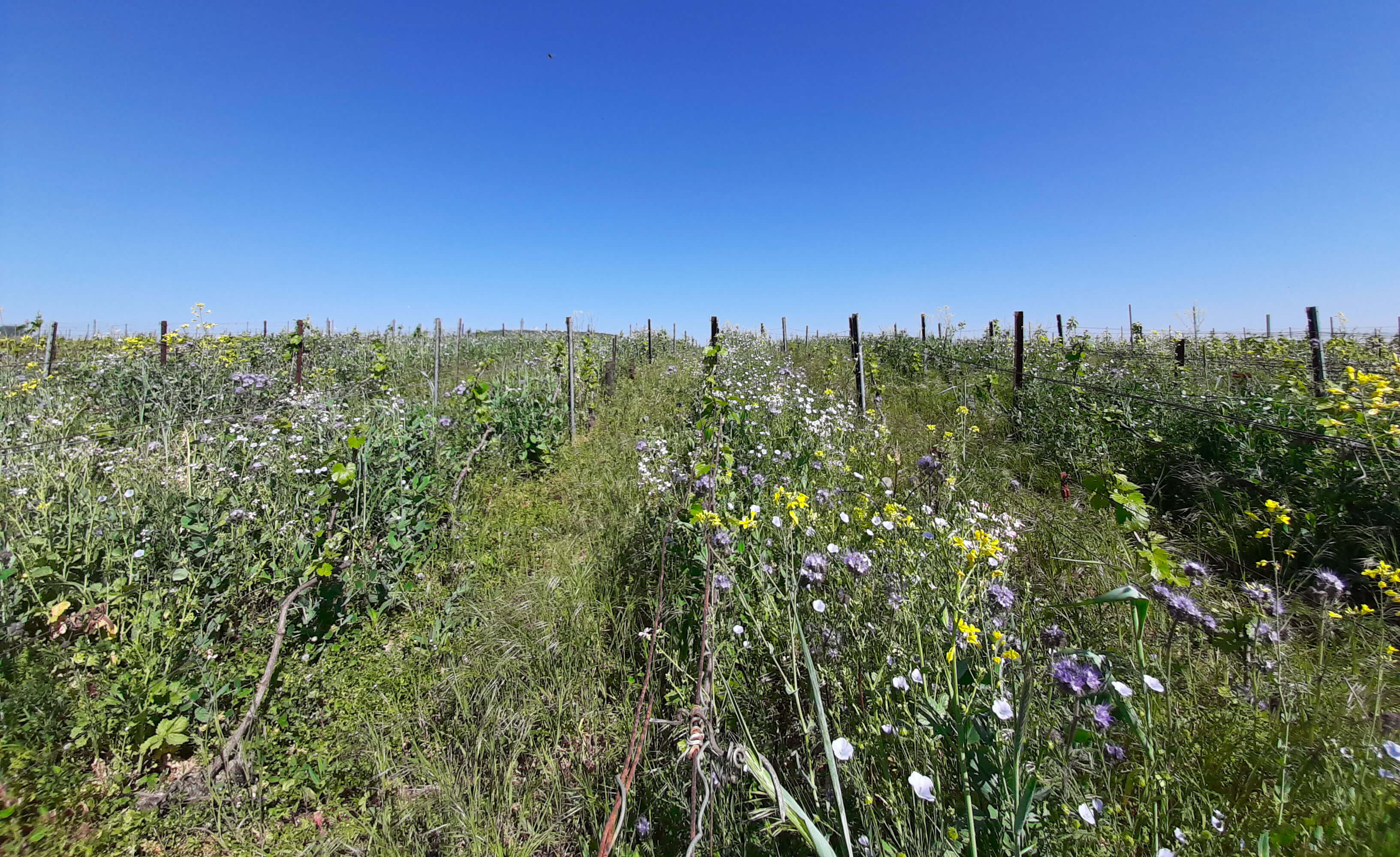
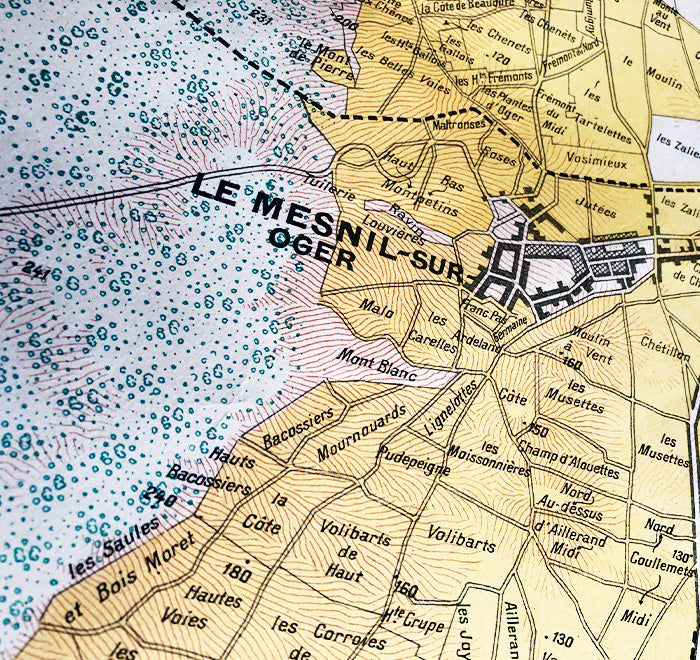
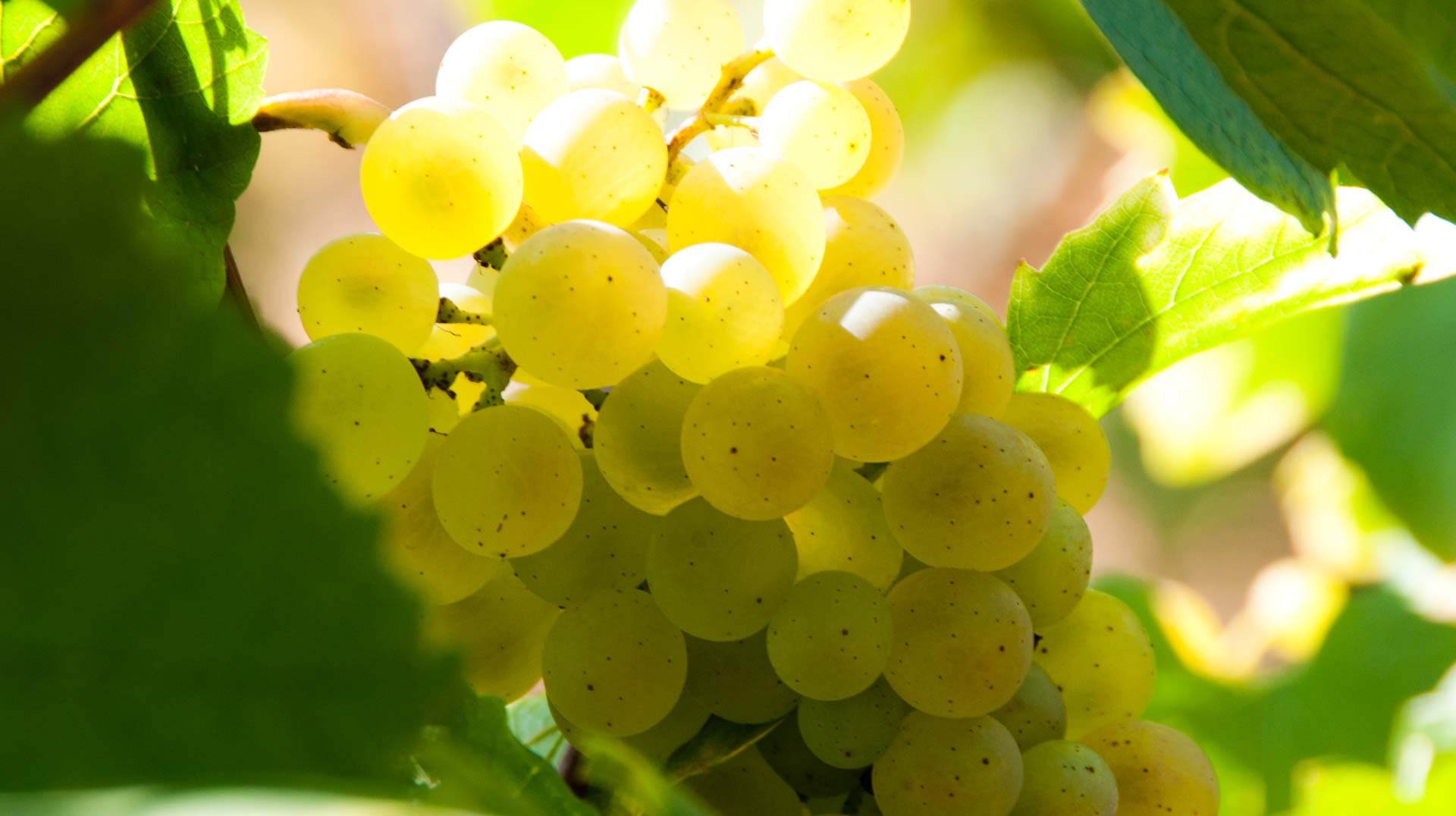
Founded in 1890, the Domaine is now managed by Laurent Champs and his son Thomas, representing the fifth generation and continuing the family tradition. The Domaine is located in Rilly-la-Montagne, in the heart of the Montagne de Reims. It covers 11 hectares, 80% of which are in Rilly and 20% in Villers-Allerand. A notable feature: the vineyard comprises a dozen plots of approximately one hectare each, planted with 70% Chardonnay and 30% Pinot Noir. Father and son practice sustainable viticulture, certified HVE and VDC, and adhere to the principles of the Ampélos Charter (which prohibits the use of chemical fertilizers, herbicides, and insecticides). The Domaine is a staunch advocate for biodiversity and the preservation of its ecosystem. In the winery, the Domaine also asserts its unique style in Champagne. Since 1963, under the guidance of René Champs (Laurent's father), the wines have been vinified entirely in Alsatian foudres and oak barrels for ten months. The absence of malolactic fermentation reinforces their choice to prioritize long aging on lees.