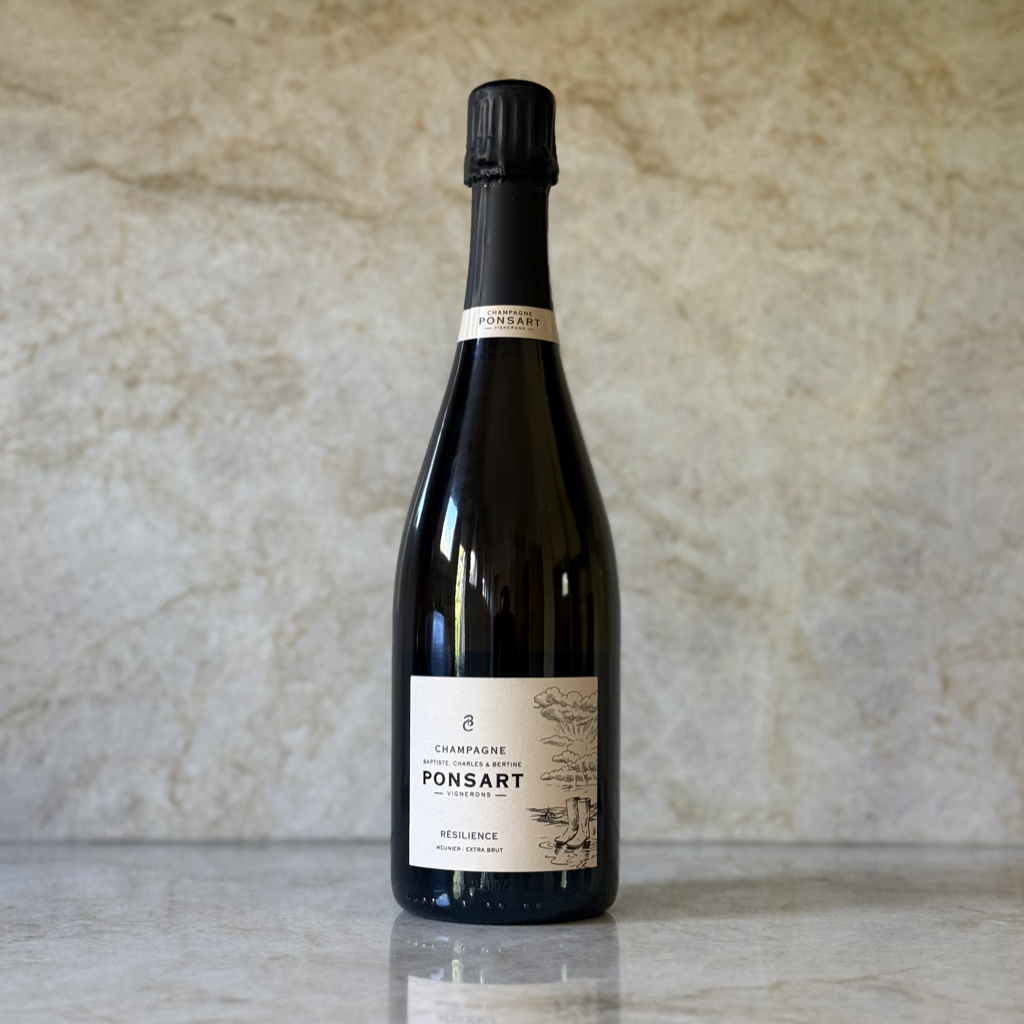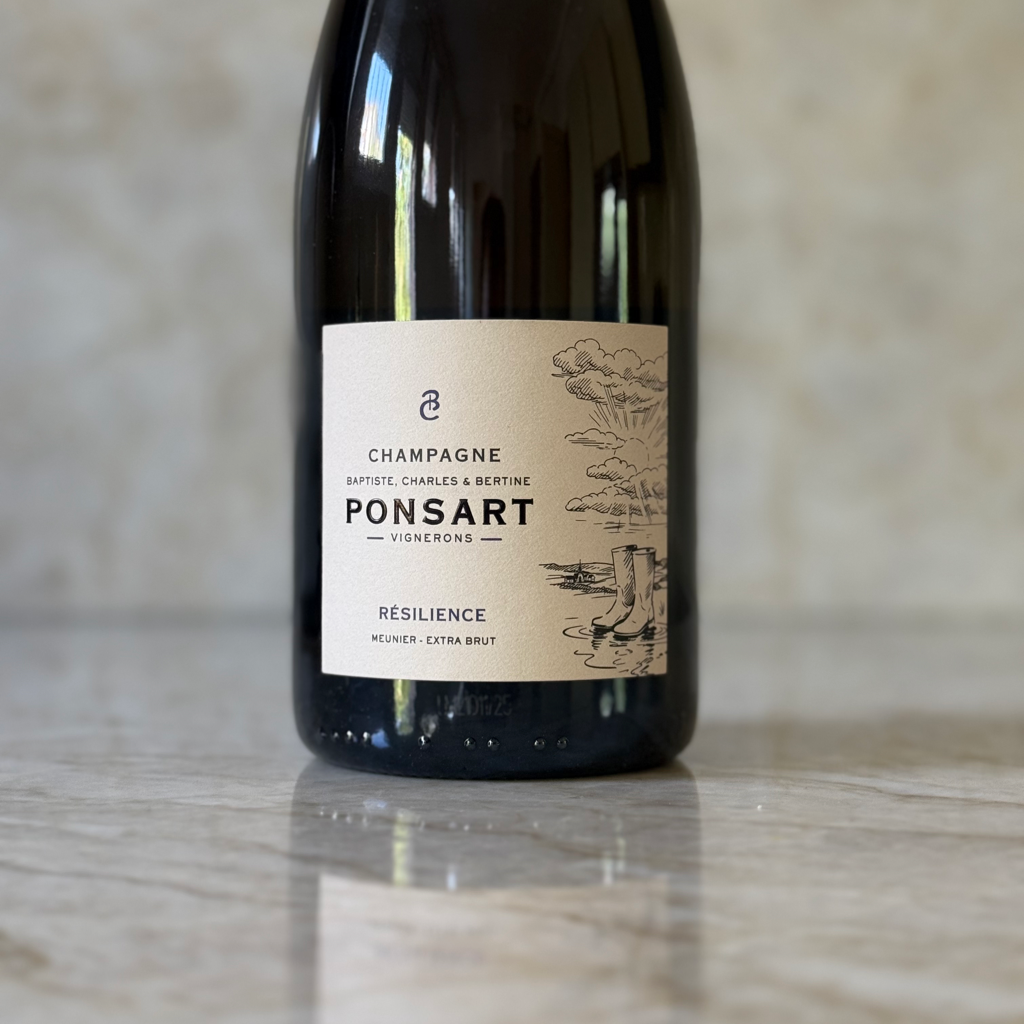



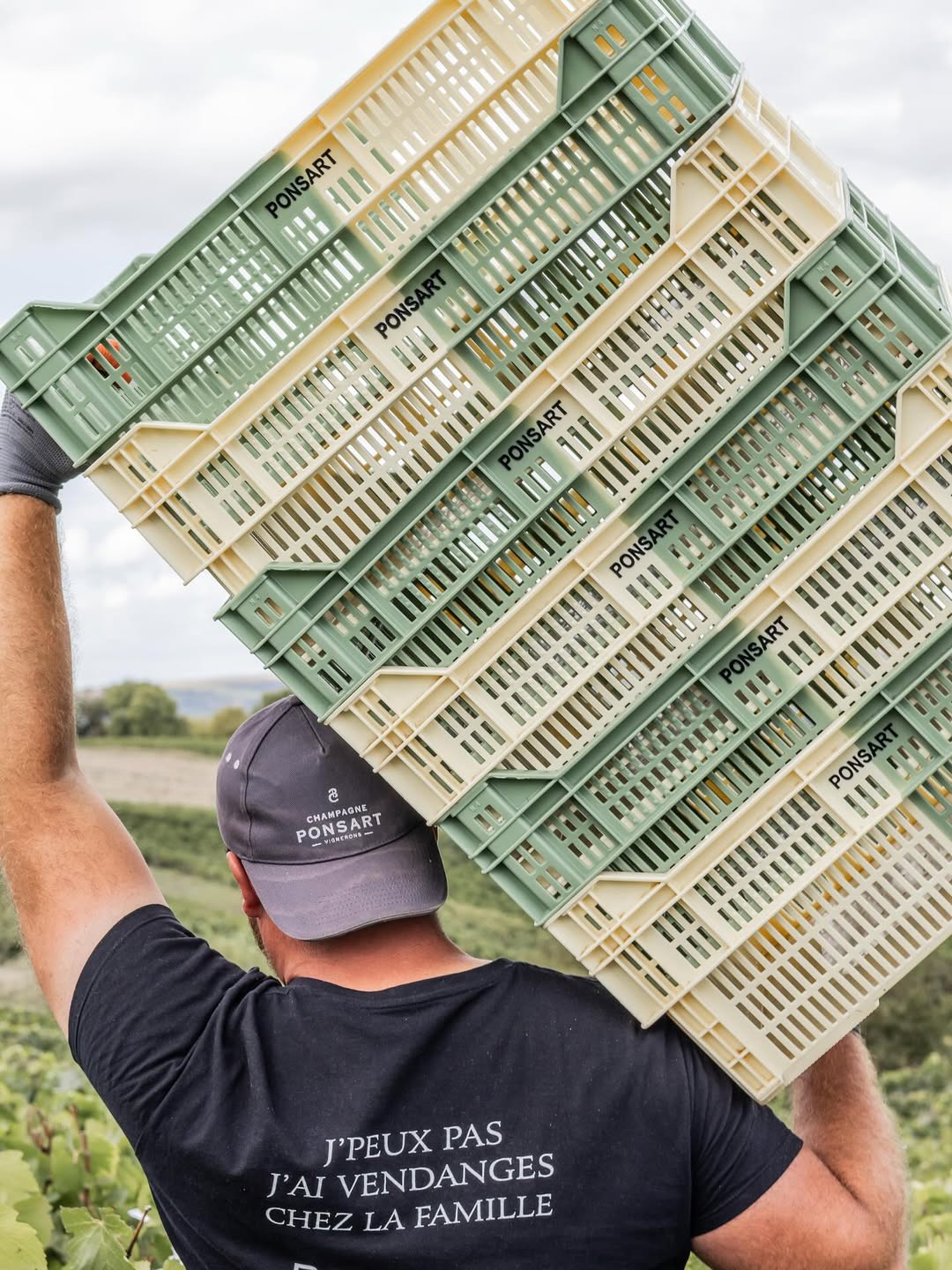
Champagne Ponsart
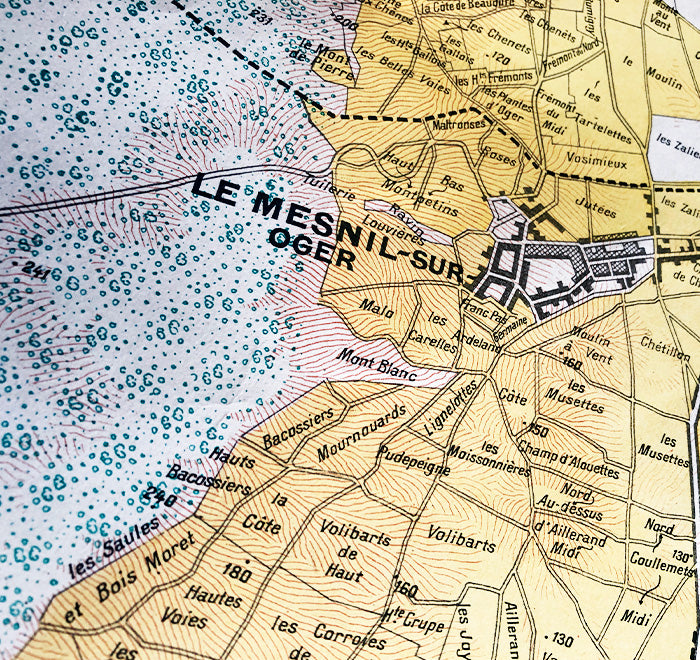
Based in Janvry, between the north-western edge of the Montagne de Reims and the Vallée de l’Ardre, the Ponsart family has been cultivating vines for several generations. The story of the estate began in the 1960s, when the grandfather co-founded the local cooperative, before the Ponsart-Delagarde brand was created in 1982 by the parents of the young siblings.
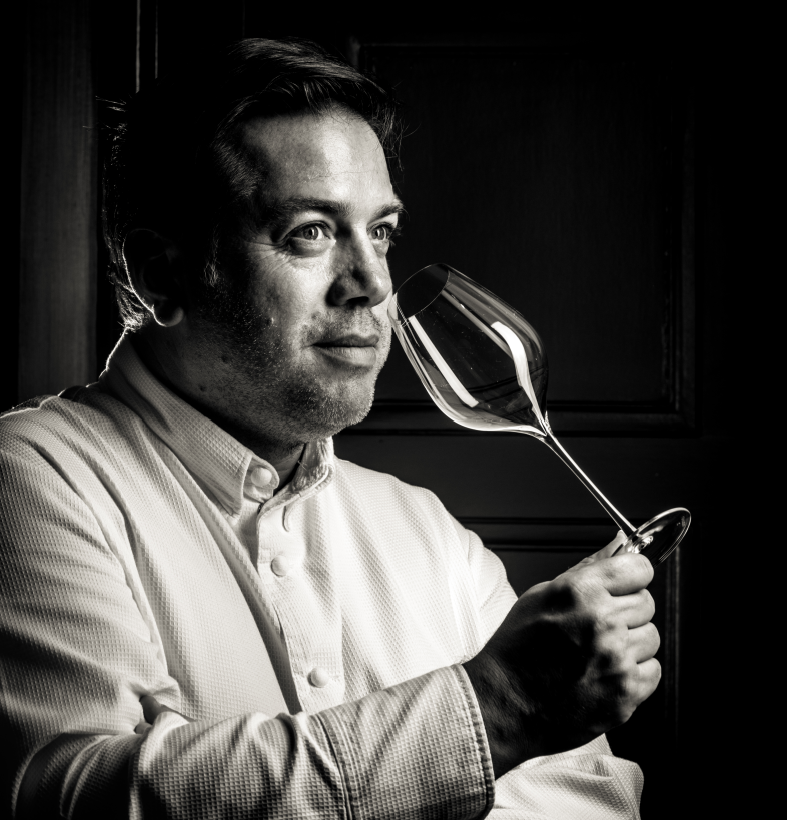
Since 2016, Baptiste and Charles Ponsart have been managing part of the vineyard and vinifying their own grapes, with a clear commitment to greater independence, brought to fruition with the opening of their own pressing and winemaking facility in 2025.
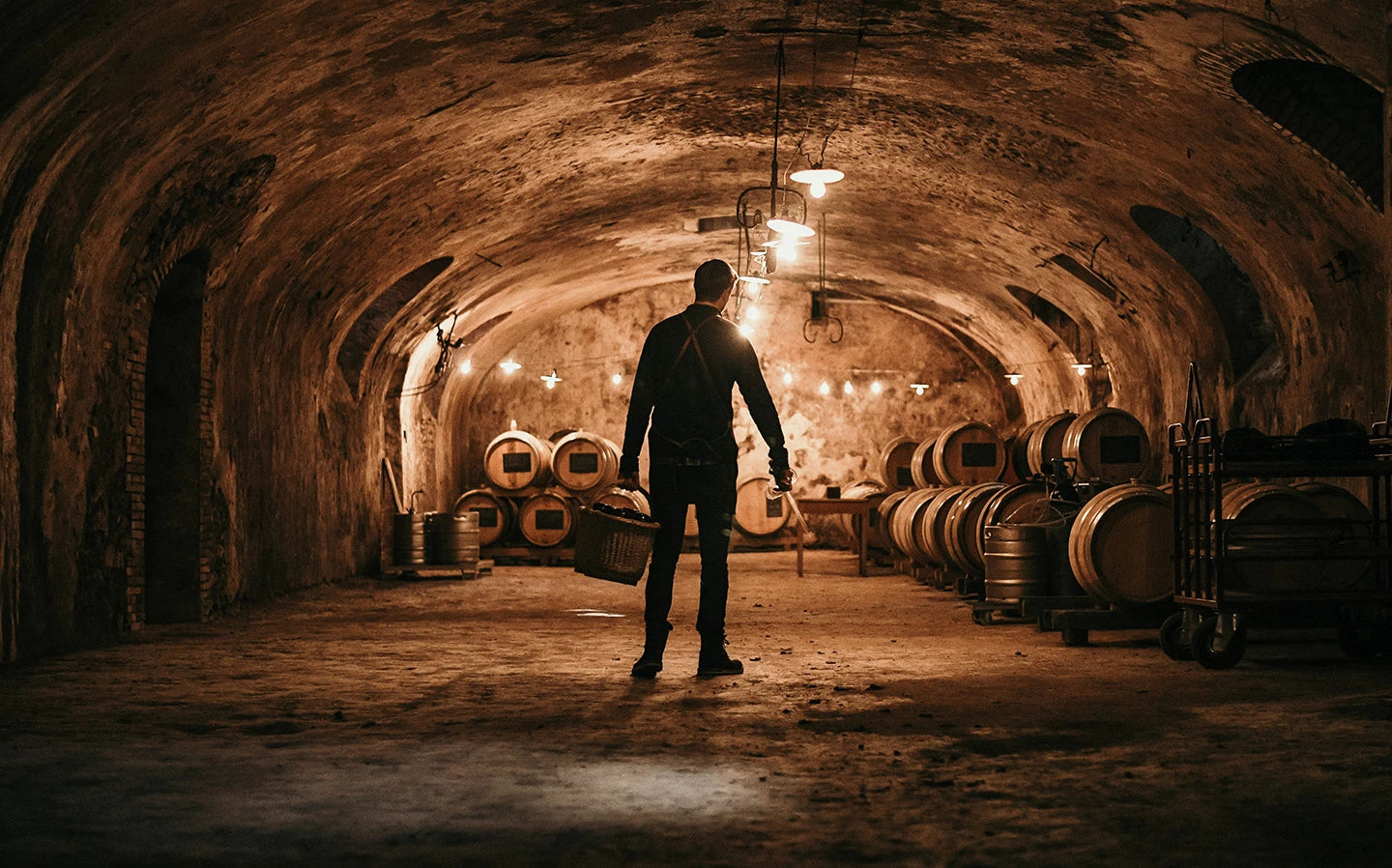
The work is organised as a complementary partnership: Baptiste in the vineyard, Charles in the cellar, joined by their sister Bertine in developing the commercial side of the estate.
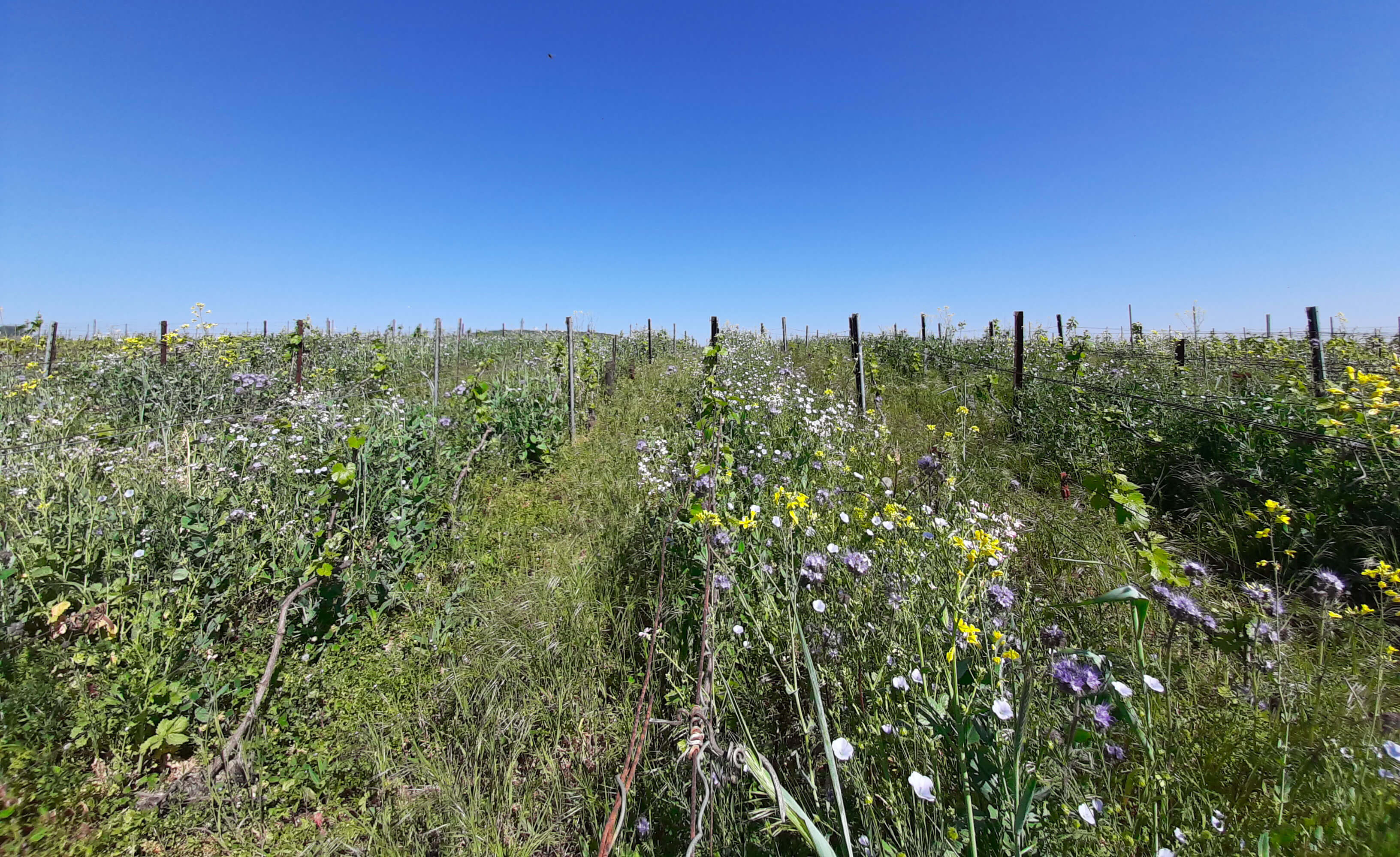
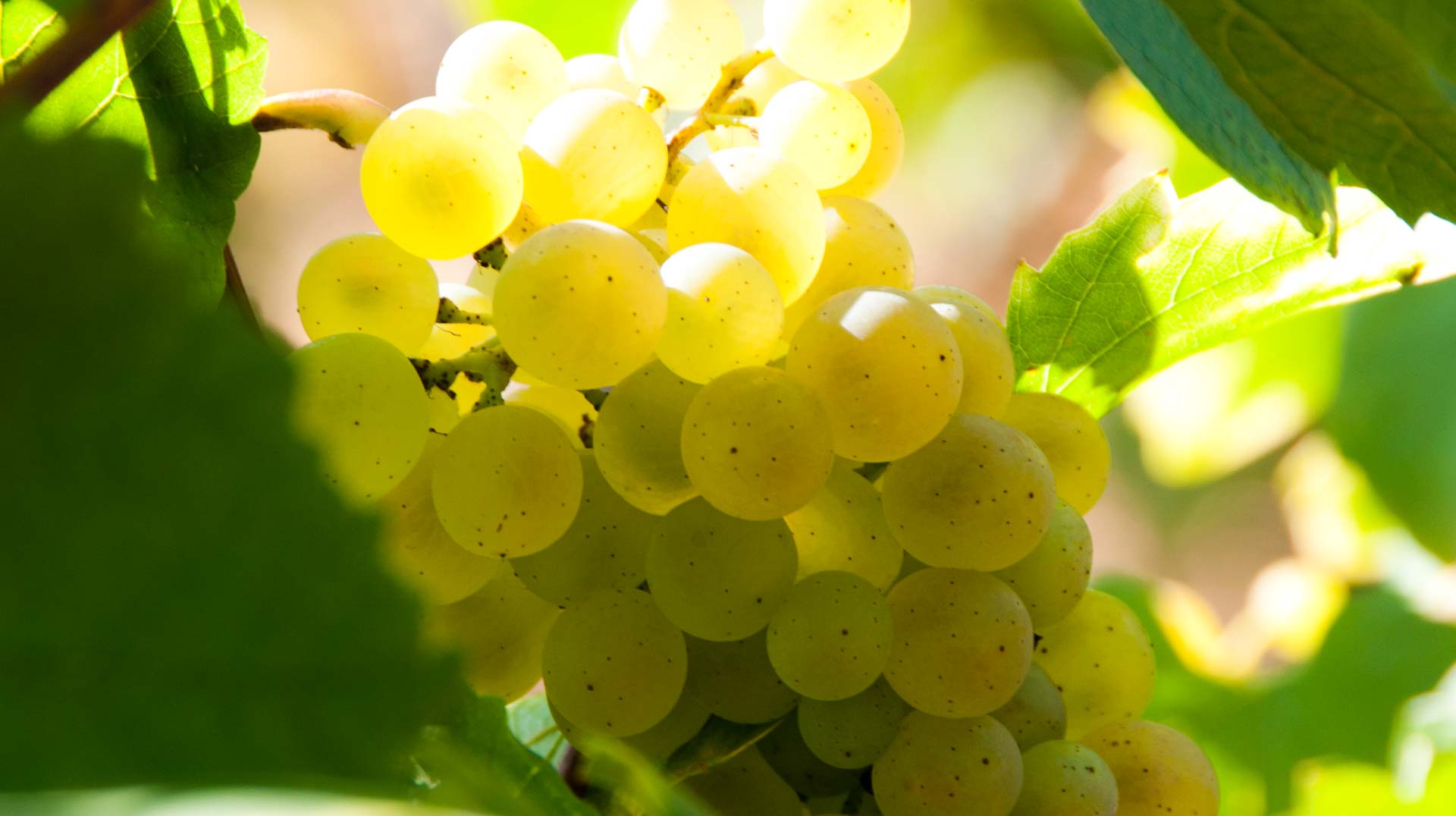
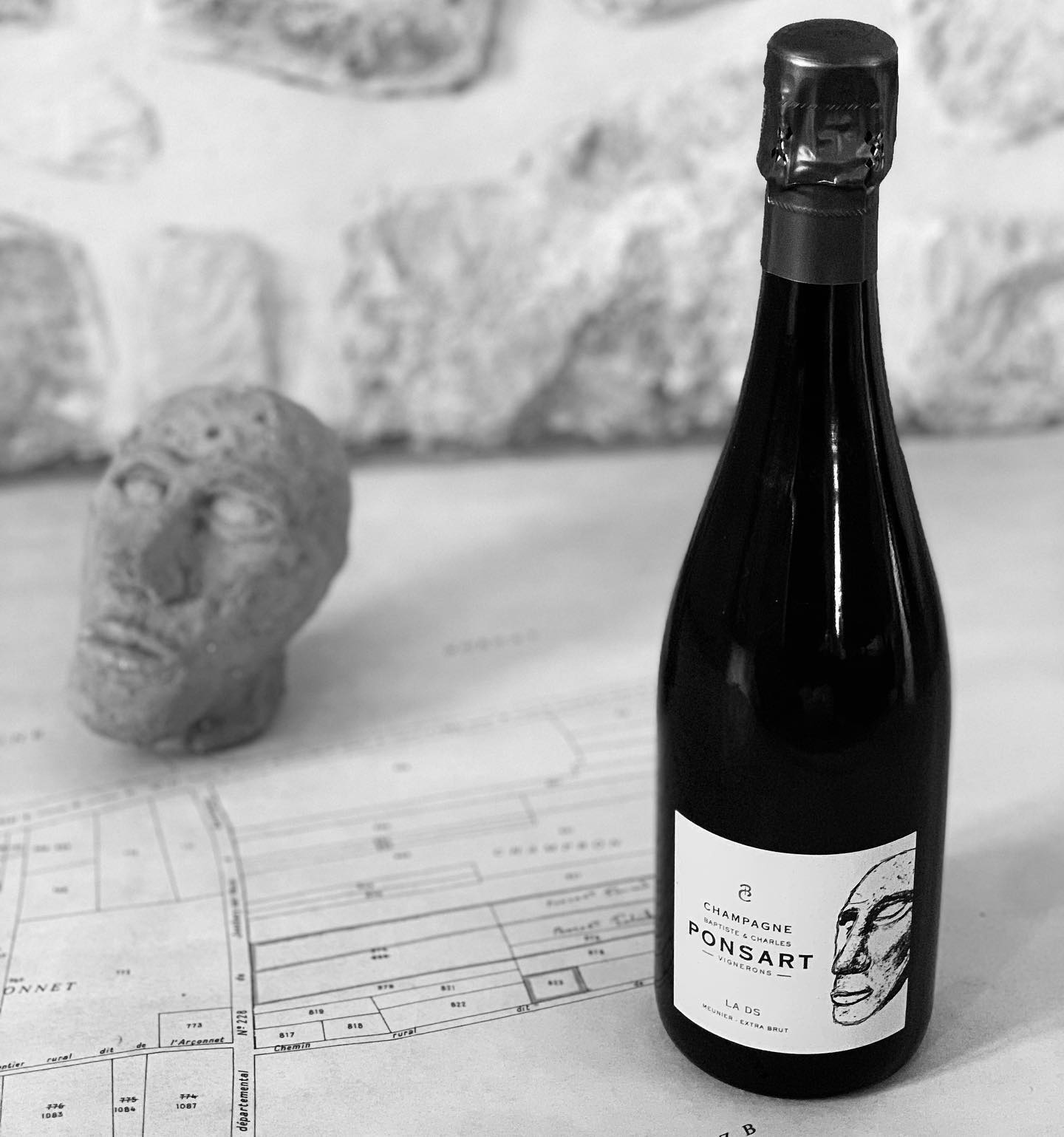
The estate covers 10 hectares, planted primarily with Meunier, complemented by Chardonnay and Pinot Noir. The philosophy is based on sustainable viticulture, harvesting at optimum ripeness and low-intervention winemaking — predominantly indigenous fermentations, with ageing in stainless-steel tanks and occasionally in barrels — with the aim of faithfully expressing the fruit and the terroir.