
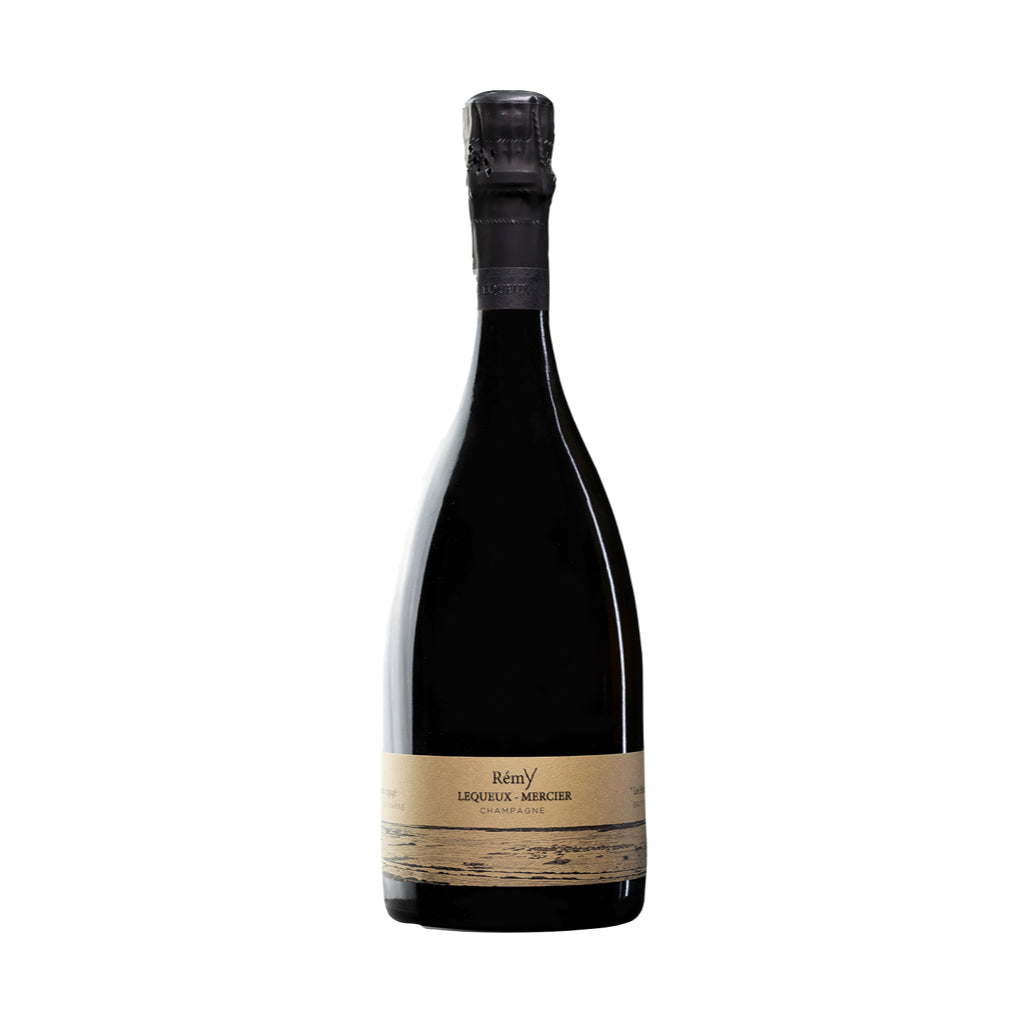

There are no exceptional wines without exceptional grapes.
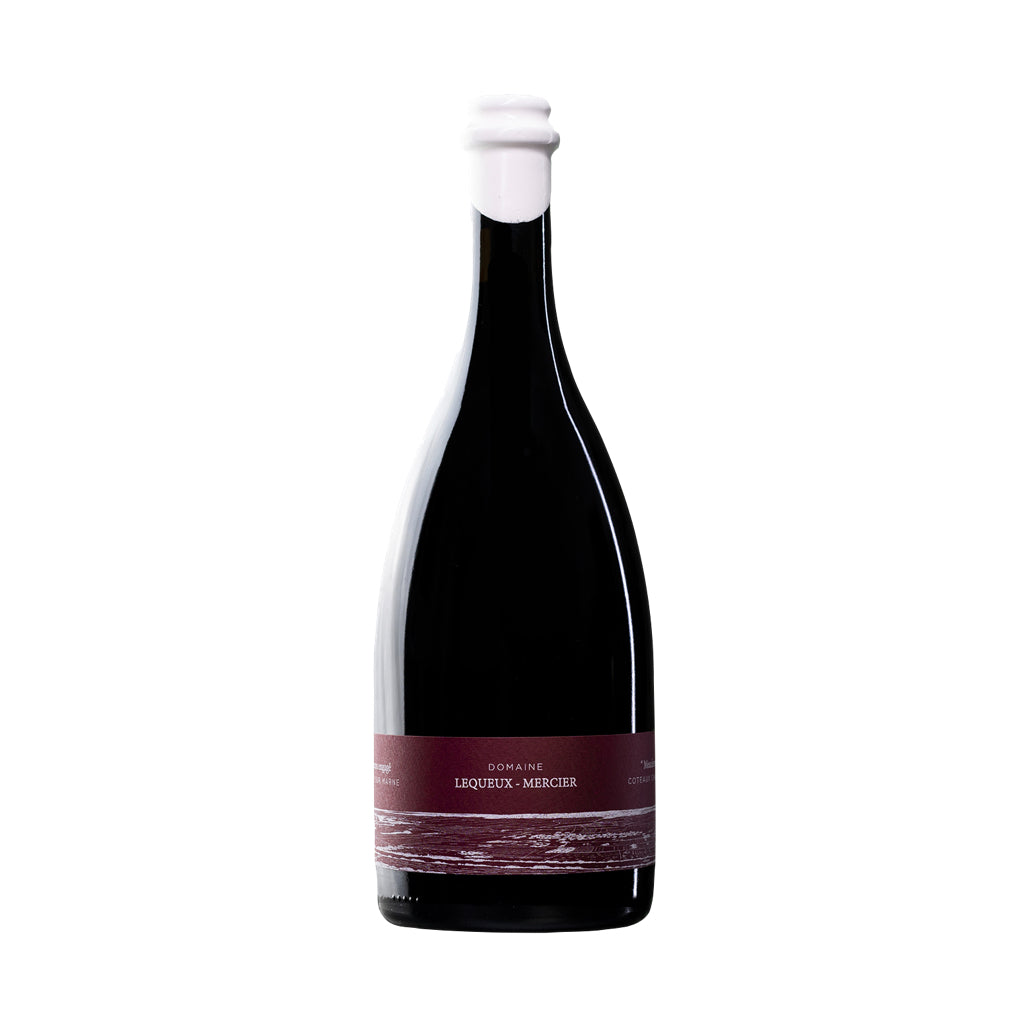
Located in Passy-sur-Marne, in the heart of the Vallée de la Marne, the family-run estate Lequeux-Mercier, which owns its entire vineyard, has been crafting its Champagnes for several generations while preserving its traditions. “Convinced of the need to respect and preserve the vineyard and its environment, we take rigorous care of our vines by following the key principles of sustainable viticulture. As independent winegrowers, we oversee the production of our different cuvées ourselves, in order to share our passion and our exceptional wines.”
TERROIR
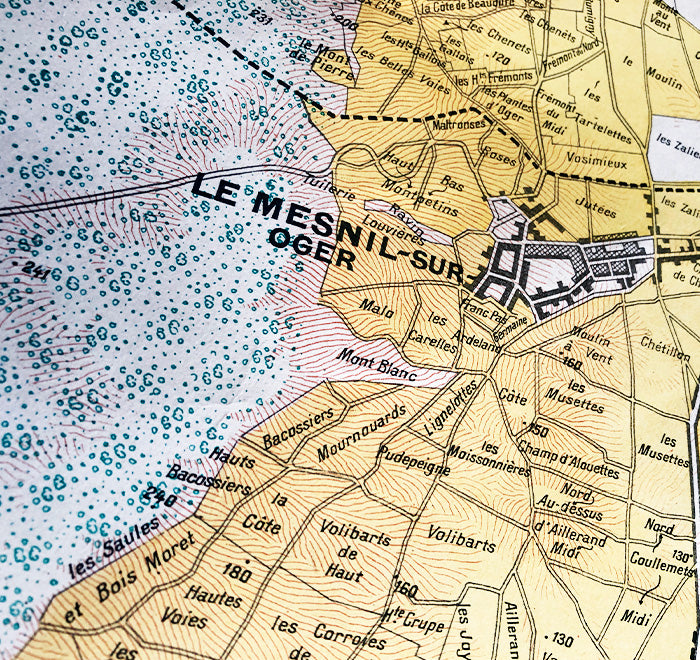
The “Lequeux-Mercier” estate covers four main villages located in the Aisne and Marne departments. 7 hectares of estate-owned vineyards are spread across 25 plots in the terroirs of Passy-sur-Marne, Barzy-sur-Marne, Château-Thierry and Dormans.
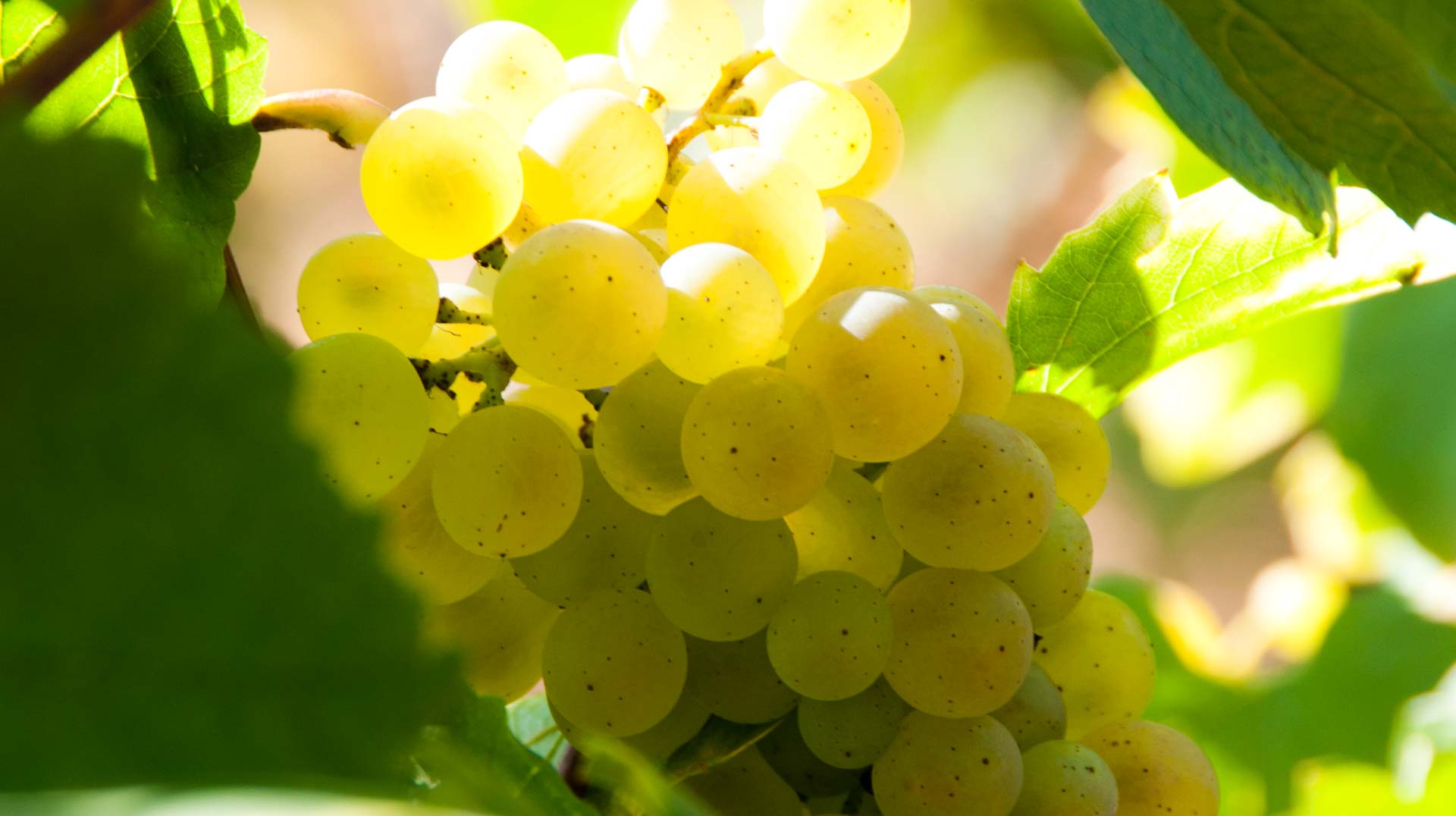
“We grow all three Champagne grape varieties, allowing us to blend them or keep them separate in order to combine the qualities of each: the liveliness and freshness of Chardonnay, the fruitiness of Pinot Meunier, and the body and power of Pinot Noir. 80% of the vines are south-facing, located mid-slope (ideal for grape ripening) and planted on rich, clay-marl soils.”
IN THE VINEYARD
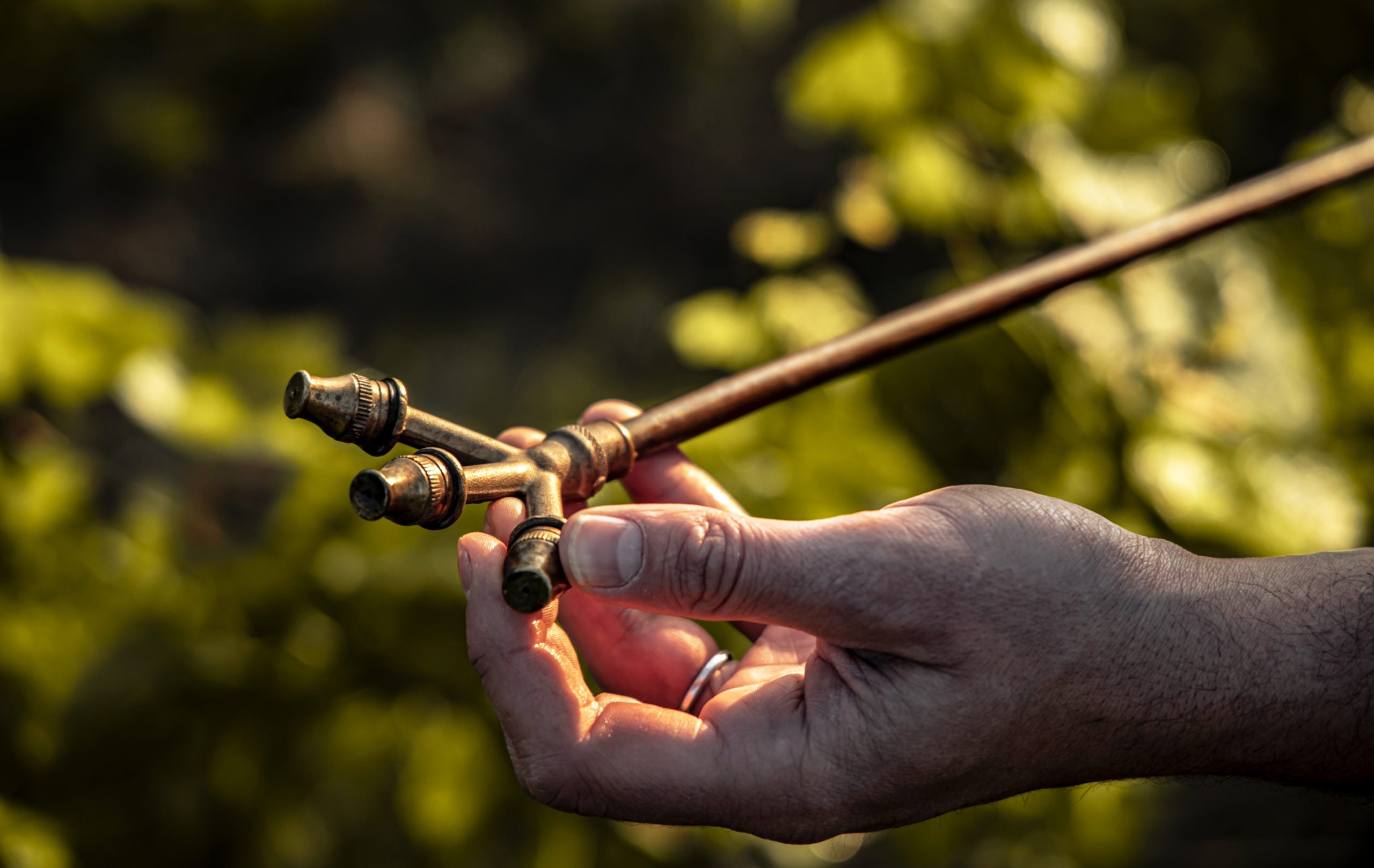
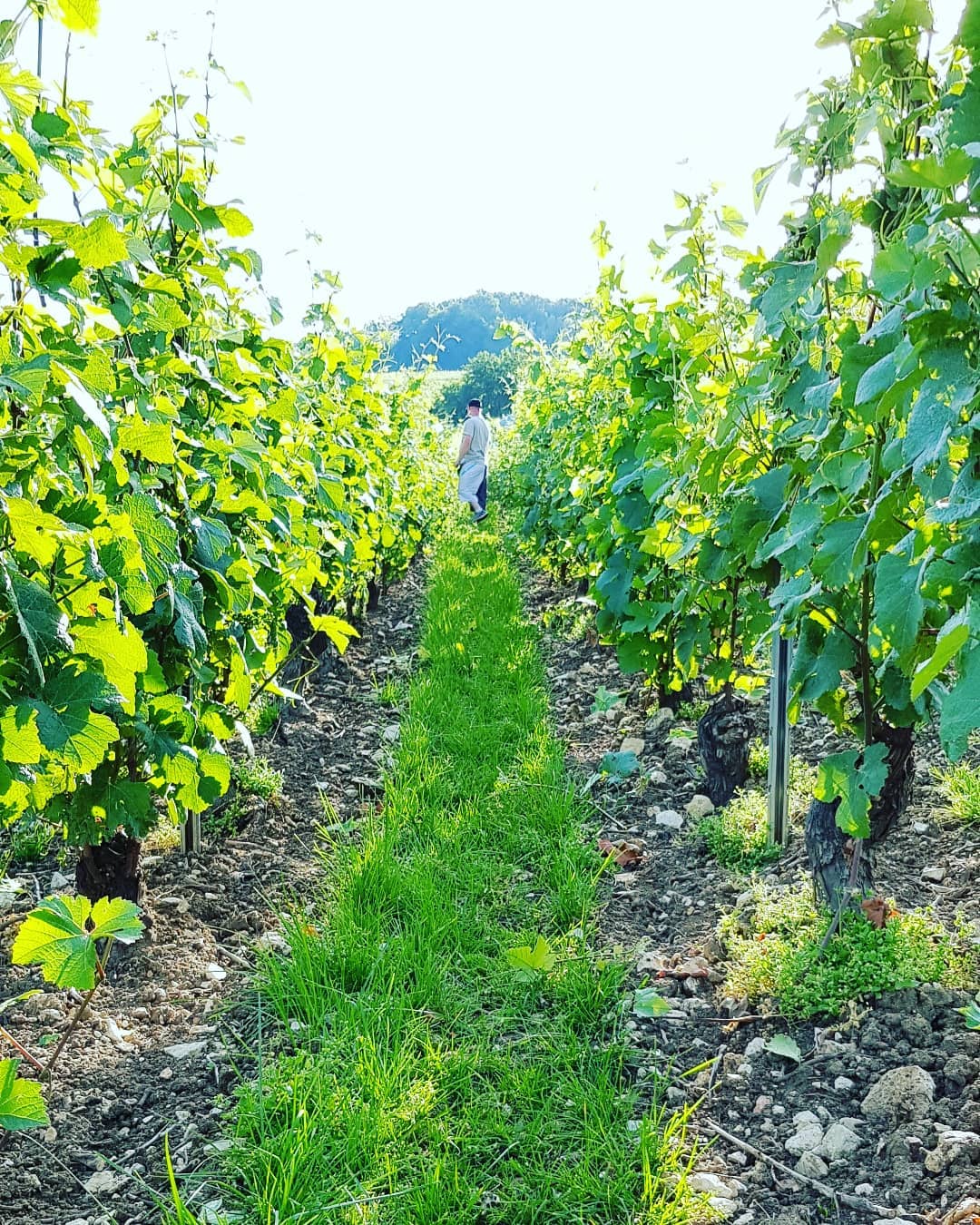
“Viticulture here follows a sustainable approach, with particular attention paid to respecting the environment in every aspect of our daily work. There are no exceptional wines without exceptional grapes. Our aim is therefore to allow each vine to flourish, preserving the distinctive character of its flavours and the true expression of its terroir.
To optimise the structure of our soils, we practise:
-
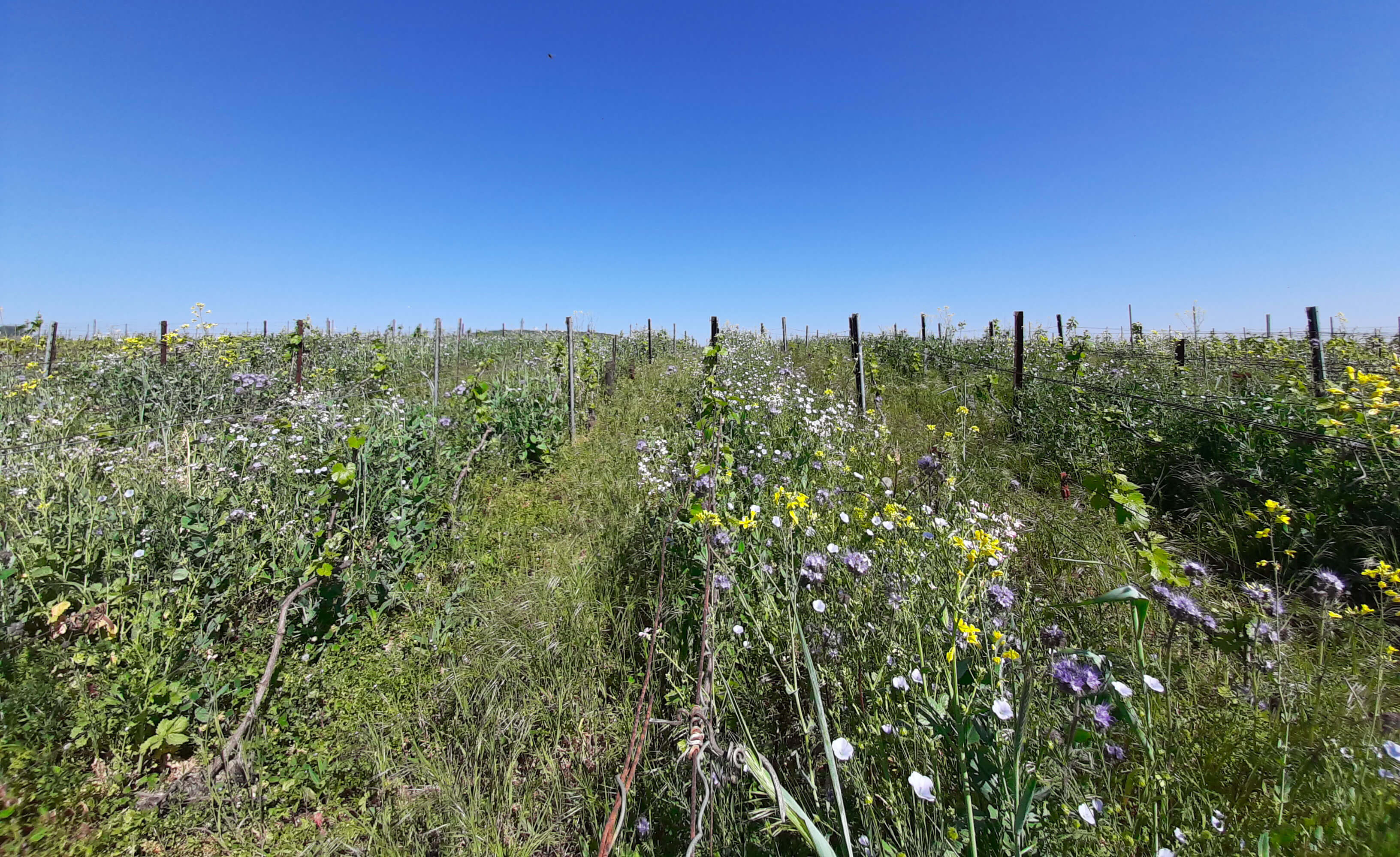
Ploughing, which aerates the soil, encourages deeper rooting and eliminates the need for herbicides.
-
Natural and sown grass cover, helping to limit soil compaction and improve water retention.
-
The application of coarse organic matter, making the soil more stable and aerated while providing a long-term source of organic matter.
-
Observation, allowing us to intervene as little as possible.
We are also increasingly using mating disruption, which aims to disrupt the reproductive activity of grapevine pests such as Eudemis and Cochylis, thereby eliminating the need for insecticides.
The grape is our raw material; its quality is essential, and it is the expression of the terroir. All these practices, along with many others, allow the terroir to express itself more fully in our grapes and therefore in our signature Champagnes.”
IN THE CELLAR
At the end of the year, the grapes, harvested by hand at full ripeness, are carefully transported to our press to preserve their quality. Slow and gentle pressing is essential to obtain fine and precise musts.
The grape varieties are kept separate, as are certain plots, allowing us to produce single-parcel Champagnes such as our Cuvée de Réserve (Blanc de Blancs), made from a single Chardonnay plot.
Alcoholic fermentation is allowed to proceed for as long as possible in order to develop beautifully integrated and refined aromas. Depending on the wine's potential, malolactic fermentation is not systematically carried out, allowing the Champagne to retain its original and authentic freshness.
Bottling takes place at the estate in April/May, relatively late in the season, allowing the wines to benefit from their natural warming and from several months of ageing on fine lees.
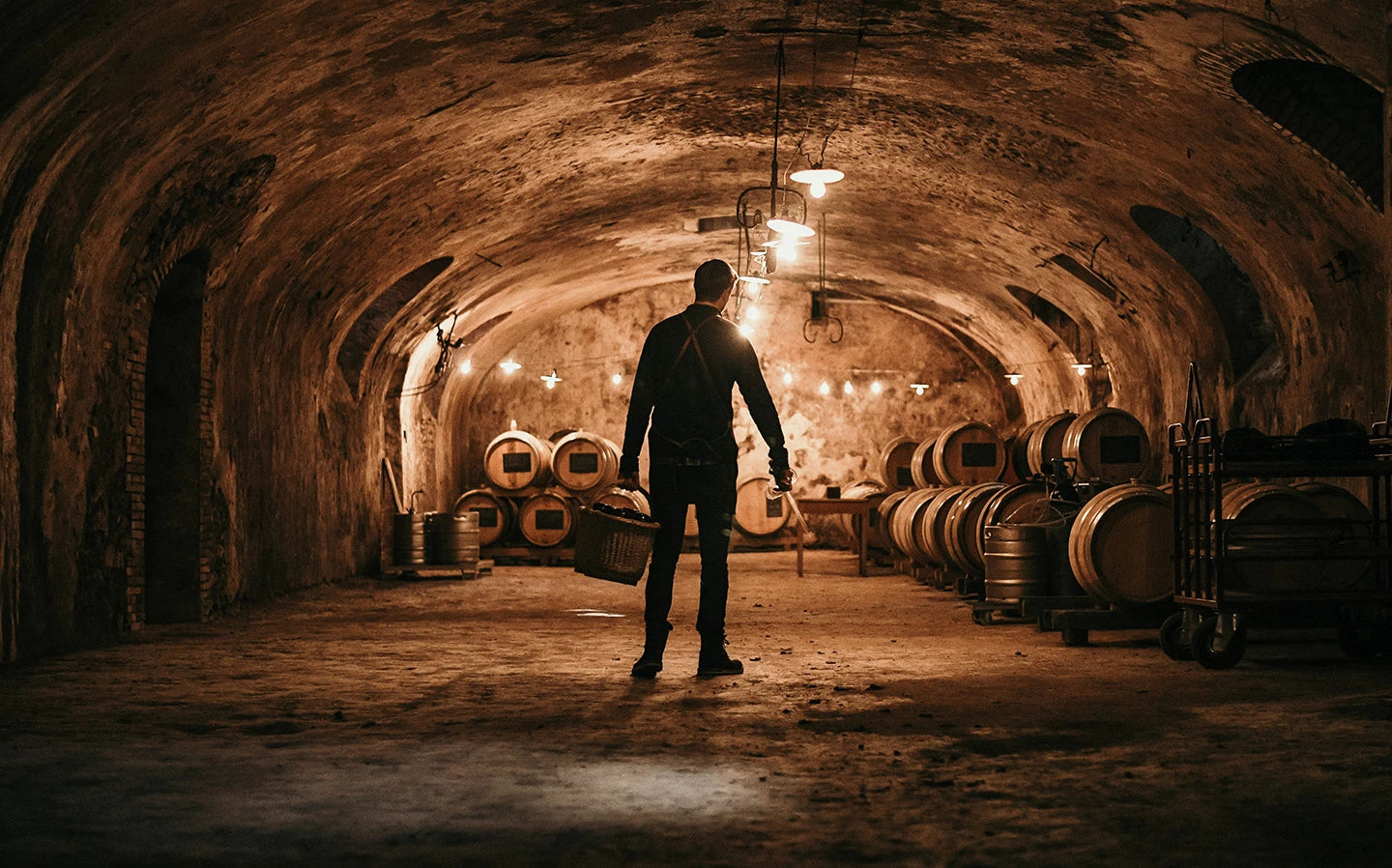
The bottles are then stored in our underground cellars, protected from light and kept cool, for a minimum of four years and for more than ten years in the case of our vintage Champagnes.
Extended ageing on the lees contributes to the development of so-called tertiary aromas, giving the Champagne optimum aromatic complexity when tasted.
At disgorgement, the dosage ranges from 3 to 7 g/l, depending on the type of cuvée, in order to respect its tasting potential.