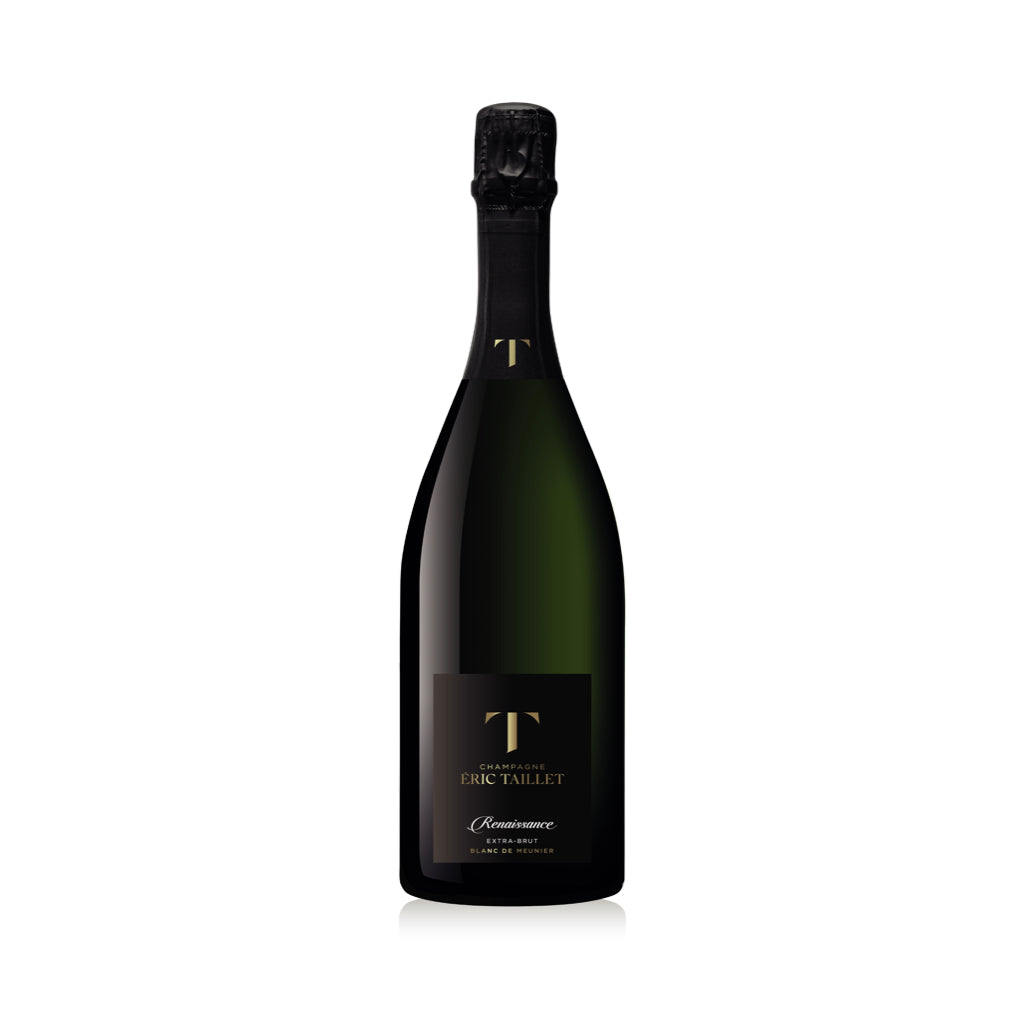

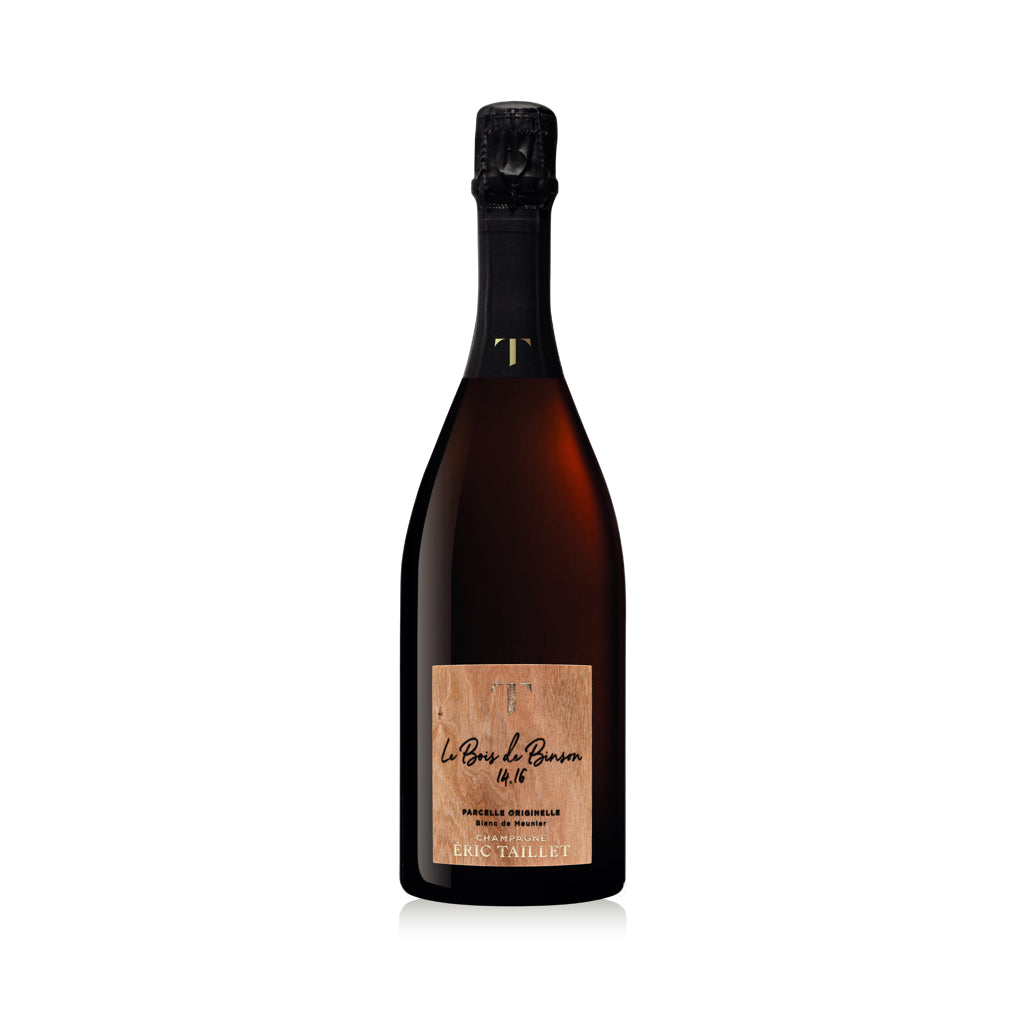
Éric Taillet - Le Bois de Binson NV

Sale price67,00 €
Sold out
5.0 (7 reviews)
Appellation Champagne
Terroir Vallée de la Marne
Villages Montigny-sous-Châtillon
Lieux-dits Le Bois de Binson
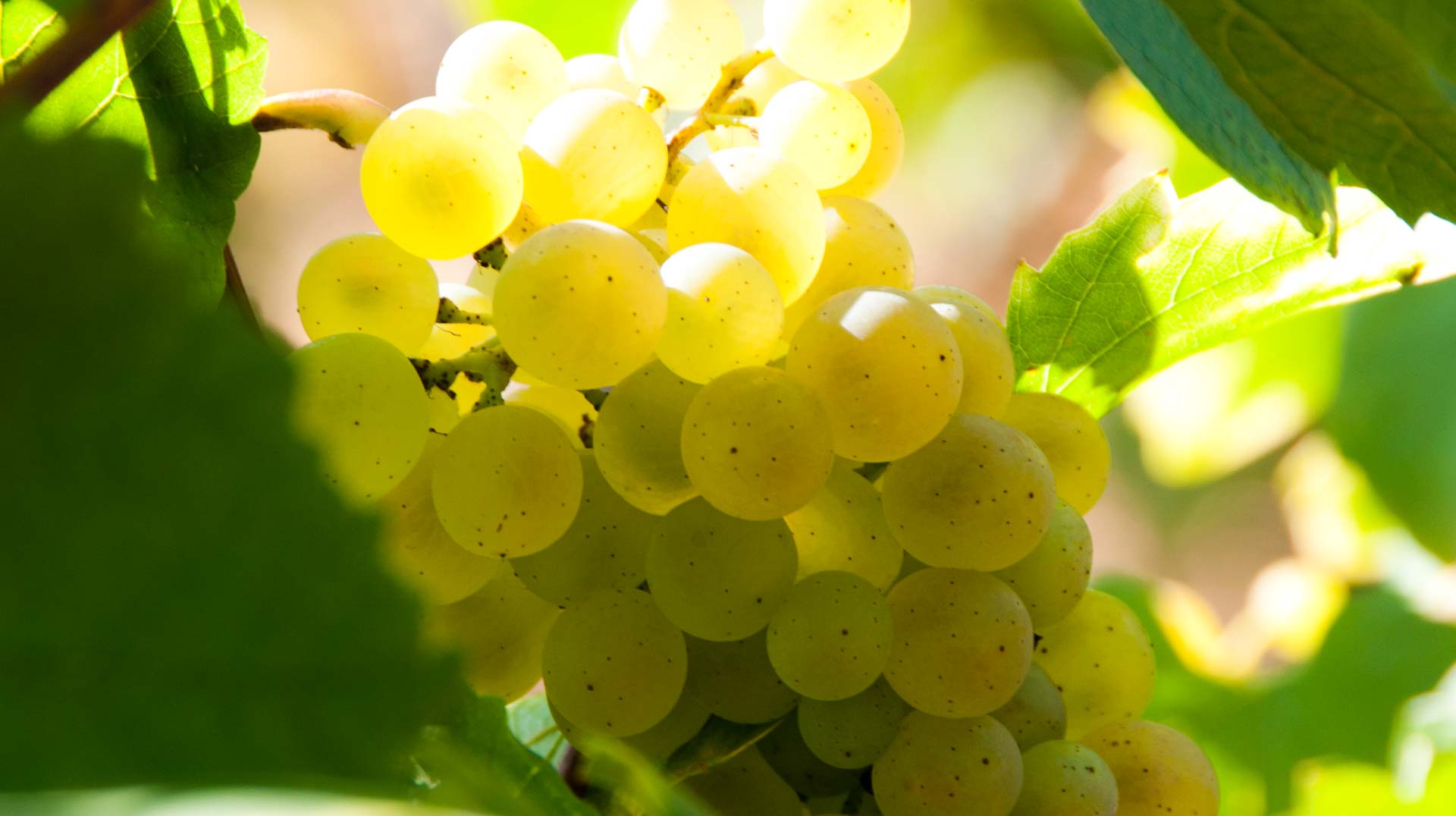
Grape Varieties Meunier
Specific Features Blanc de Meuniers, Parcellaire
Vintage NV
Disgorgement

11/2020

Dosage Extra brut (between 0 and 6 g/l)
Color White
Size 750 ml
Production

1000 bottles

Minimum quantity allowed is .
Limited to bottle(s) per customer
The product can be bought in quantity increments of .

Champagne Éric Taillet - Le Bois de Binson NV

MULTI VINTAGE 2014-2016 • EXTRA-BRUT • ORIGINAL PLOT

The old vines in Meunier planted on this plot are full of emotions. They offer us the quintessence of Meunier, a grape variety that reveals the Terroir. A single plot named "Le Bois de Binson", a single grape variety "Le Meunier", a unique know-how: Éric TAILLET (cellar master). Planted in mass selection, its layout across the hillside gives it maximum sunshine.

Year of planting : 1956
Terroir : Eponymous plot of “Bois de Binson” in Montigny-sous-Châtillon. The average age of the vines is 62 years (one of the oldest on the estate)
Soils : Clayey-limestone
Blend : 100% Meunier
Aging : Aged for at least 36 months in a cellar, on slats and tips, with cork stopper and clip.
Dosage : 1.5 g/L
Quantity : 1000 to 1500 bottles per year

Éric Taillet - Le Bois de Binson NV
Champagne Éric TailletChampagne Éric Taillet

The estate

Éric Taillet

Discover the estate and the wines of Champagne Éric Taillet à Baslieux-sous-Châtillon (Vallée de la Marne)

Learn more

“The relationship between the soil and its vintage, the main axis of my philosophy today. Trying to transmit the energy of the soil to a consumer through bubbles. My passion for soils leads to fundamentally modifying the cultivation methods of the vine (pruning system, row spacing, height of the vine, soil cultivation method, etc.).”

“Meunier” the king grape variety of Champagne… My life, my passion, my reason for being a winemaker. Emblematic grape variety of the Taillet estate, only in very old vines on living clay soils and limestone, flint, marl and clay subsoils. For me, Meunier is fruit, finesse, length in the mouth and an extraordinary aromatic palette.

HISTORY

Nestled in the heart of the Marne Valley, the Taillet house marketed its first bottles in 1961. Today managed by Eric Taillet, the 4th generation, it asserts itself more than ever in its philosophy of working the vines while respecting the environment and in harmony with nature.

From now on, for Eric Taillet, creator of emotions in Champagne, only one priority: exceptional harvests for an exceptional champagne. A perfectionist, who wishes to preserve in each of his champagnes, a typicity and a style that can be recognized at the first sip.

VINEYARD MANAGEMENT

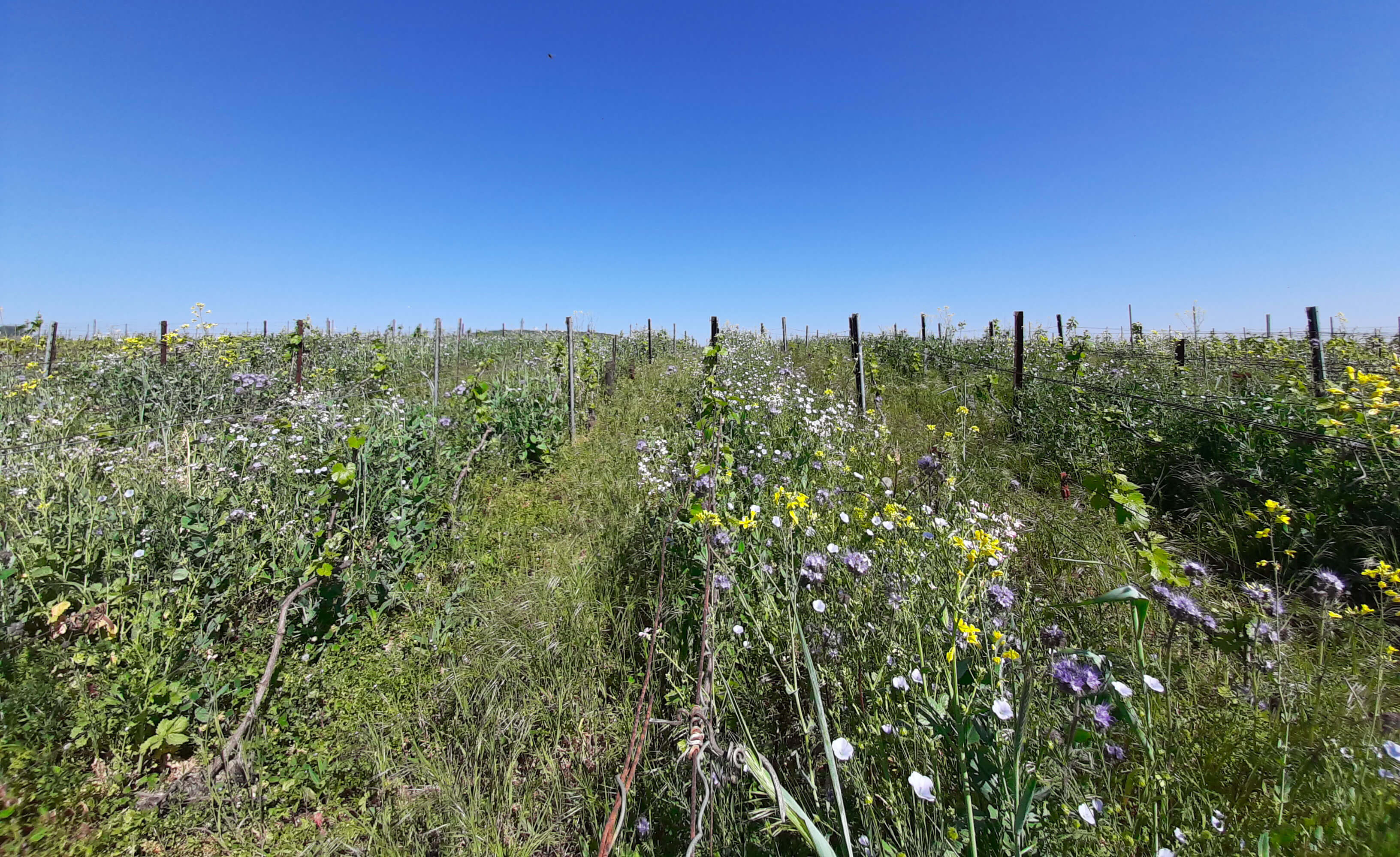
For several years, the vineyard has been cultivated without weedkillers or fertilizers. “We are looking for a culture on living soil, and through a contribution of organic matter, to encourage the development of microbial life, deep secondary rooting (revealing the terroir) and water reserves.”

HVE and VDC certified

We plow, pass the plows, mow close to the ground. We also do a lot of experimentation:

  • 80 ares of vines have been woven and we wish to extend this system.
  • Planting Pinot Gris and Petit Meslier for a very specific purpose.
  • Planting of 600 common beeches; with the aim of attracting birds, bees, insects in order to create biodiversity.

VINIFICATION

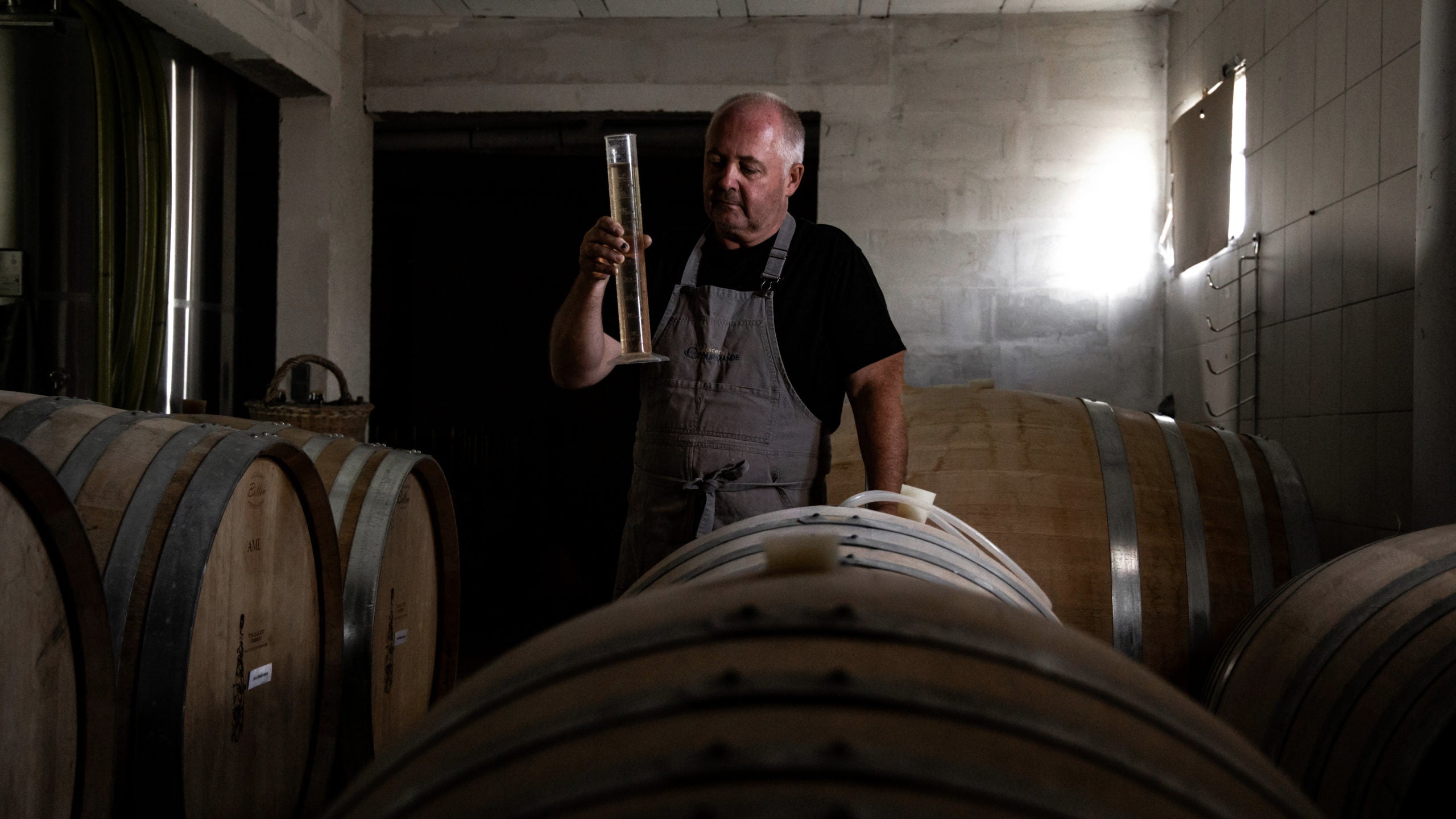
“Installed in 1970, we use a traditional wooden press. In terms of containers, we have oak barrels (400, 500, 600 L) – and stainless steel vats between 10 HL and 25 HL, to produce a lot of plots.

After the harvest, the juices are left to rest, nothing is touched. The goal is to create a reduction to counteract oxidation and preserve the fruit.

We do not filter or cold-press. The reserve wines are kept on fine lees in temperature-controlled stainless steel vats. We practice reasoned vinification, with the aim of letting the wines express themselves on their own, without brutality or excessive interventions.”

¼ of the production is raised on technological cork, the rest in capsule.

Some other producers

FAQ