
When the vine, time, and music come together to create champagnes
THE VINE
The terroir writes the history of a wine
The winemaker's job is to help the vine express the terroir as best as possible. Each winemaker has a different, personal vision and approach!
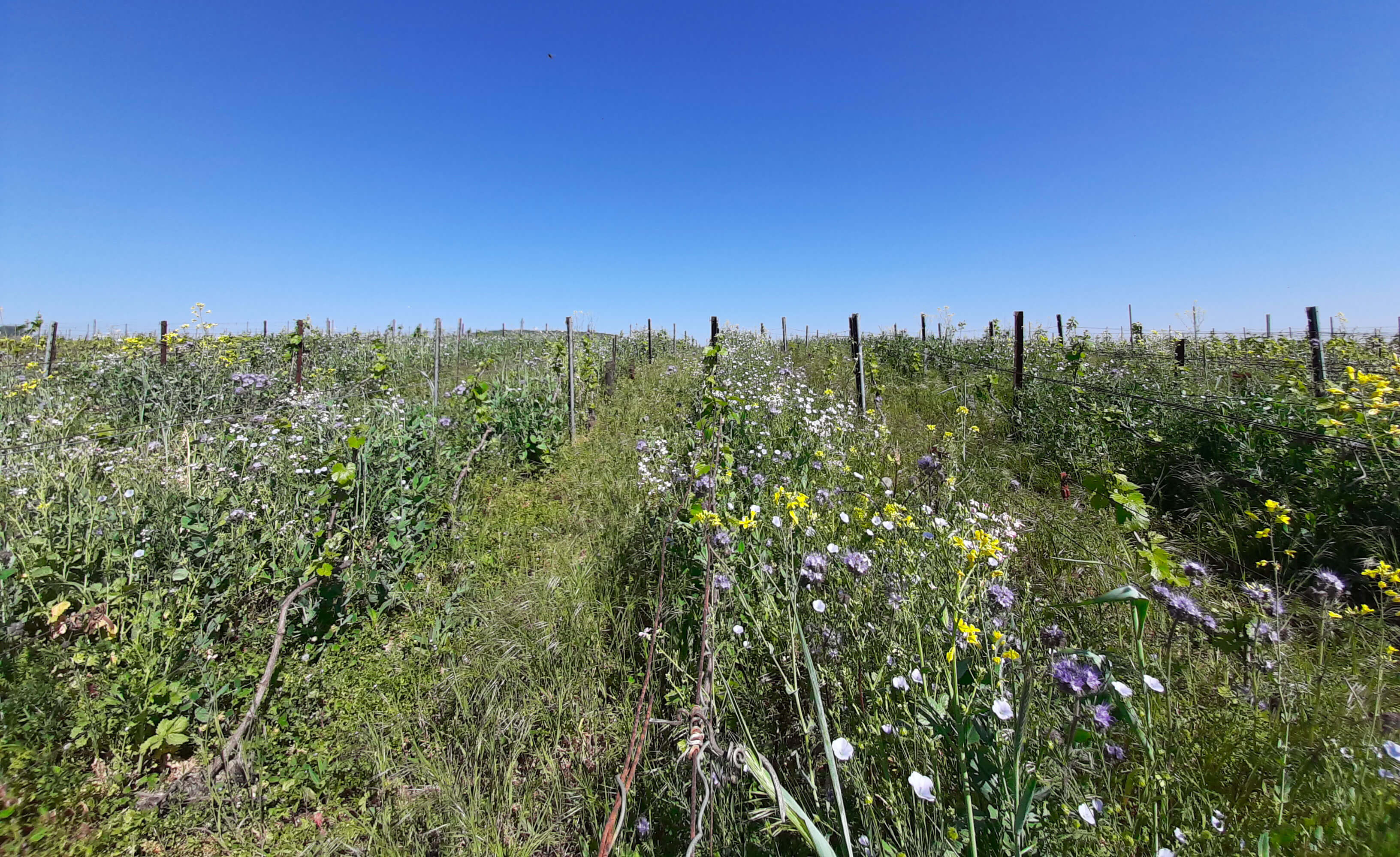
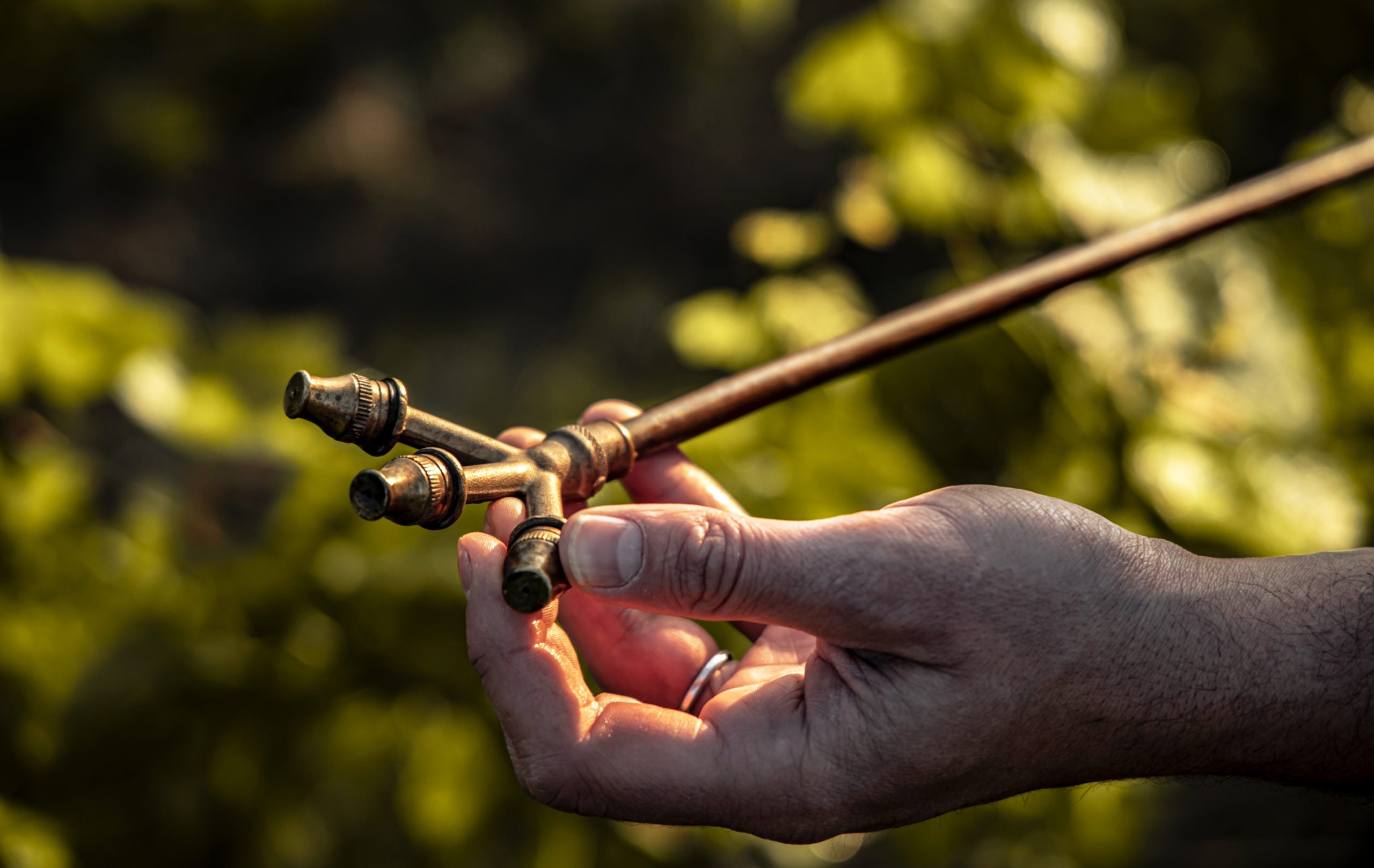
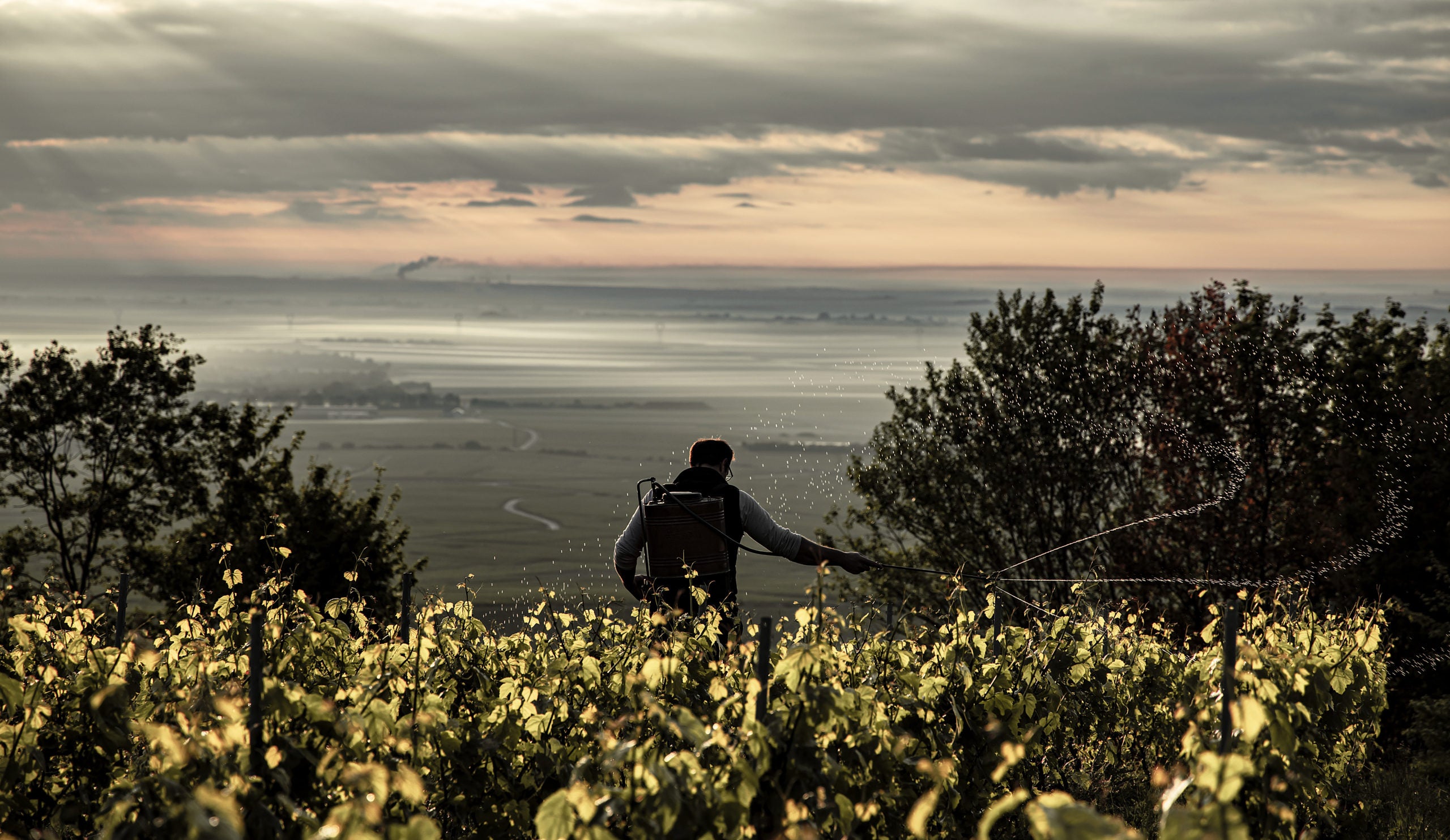
Time is essential, indispensable, to understand your terroir. It took me several years of work in the vineyards before I started making my wine. I started with traditional work to learn and I developed my practices. Firstly towards sustainable viticulture (HVE & VDC certification) which allowed me to think about all the interventions (quantity of products used, number of interventions, type of products used) and forced me to better understand diseases and therefore be more precise in my vineyard protection interventions. To go a little further, the vineyard has been certified in Organic Agriculture since the 2020 harvest. In the same vein, I am influenced by biodynamic viticulture, use of horn manure (500P), silica (501), valerian (507), infusion and decoction of plants (nettle, horsetail, comfrey, yarrow, etc.). All these practices contribute to reducing the doses of copper and sulfur, but also to increasing respect for the soil and living things. An ecosystem is a whole of which the vine is a part! The desire and the will to do well allows us to move forward and continue.
IN CELLARS
Guiding the wine without imposing a direction on it
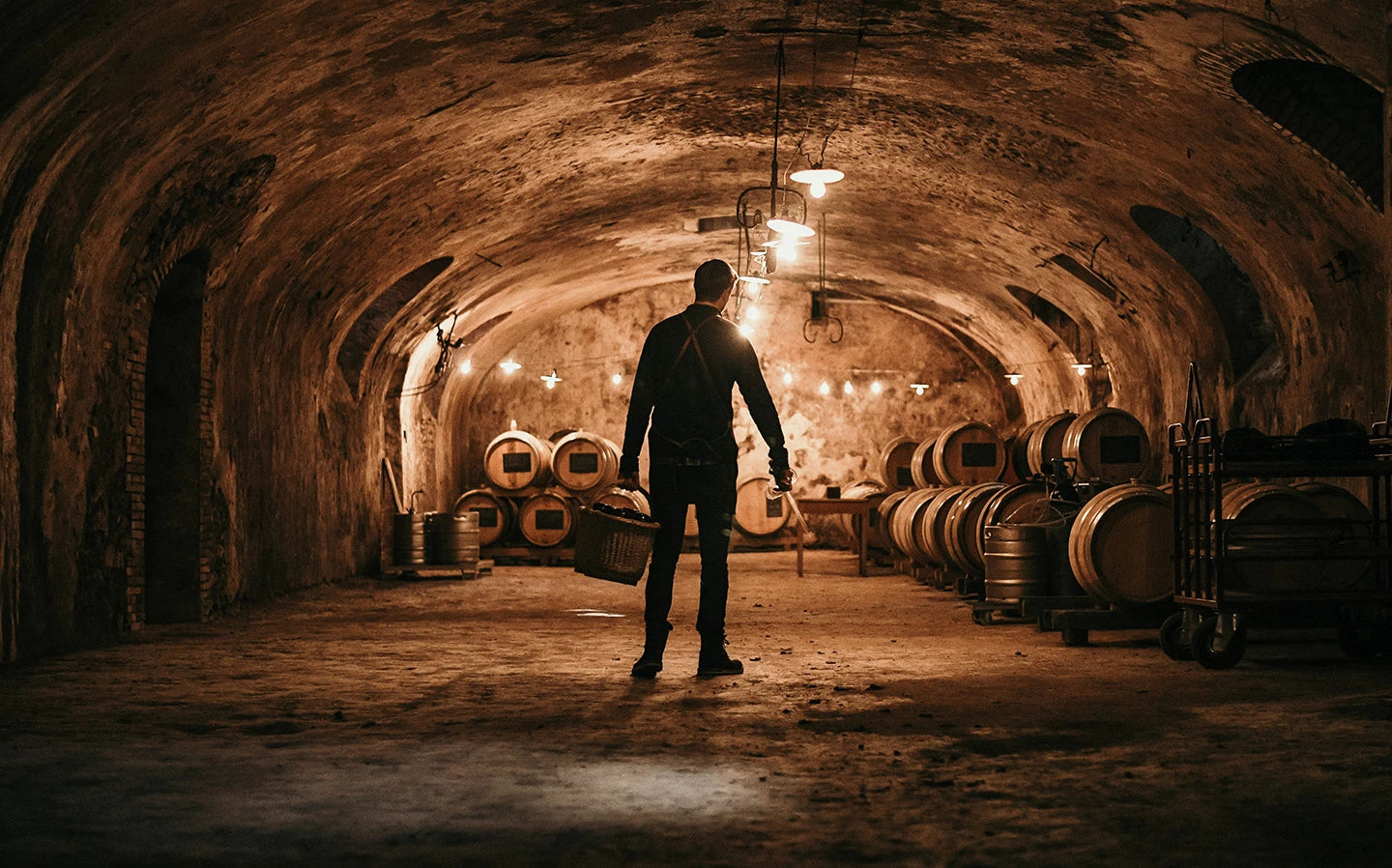
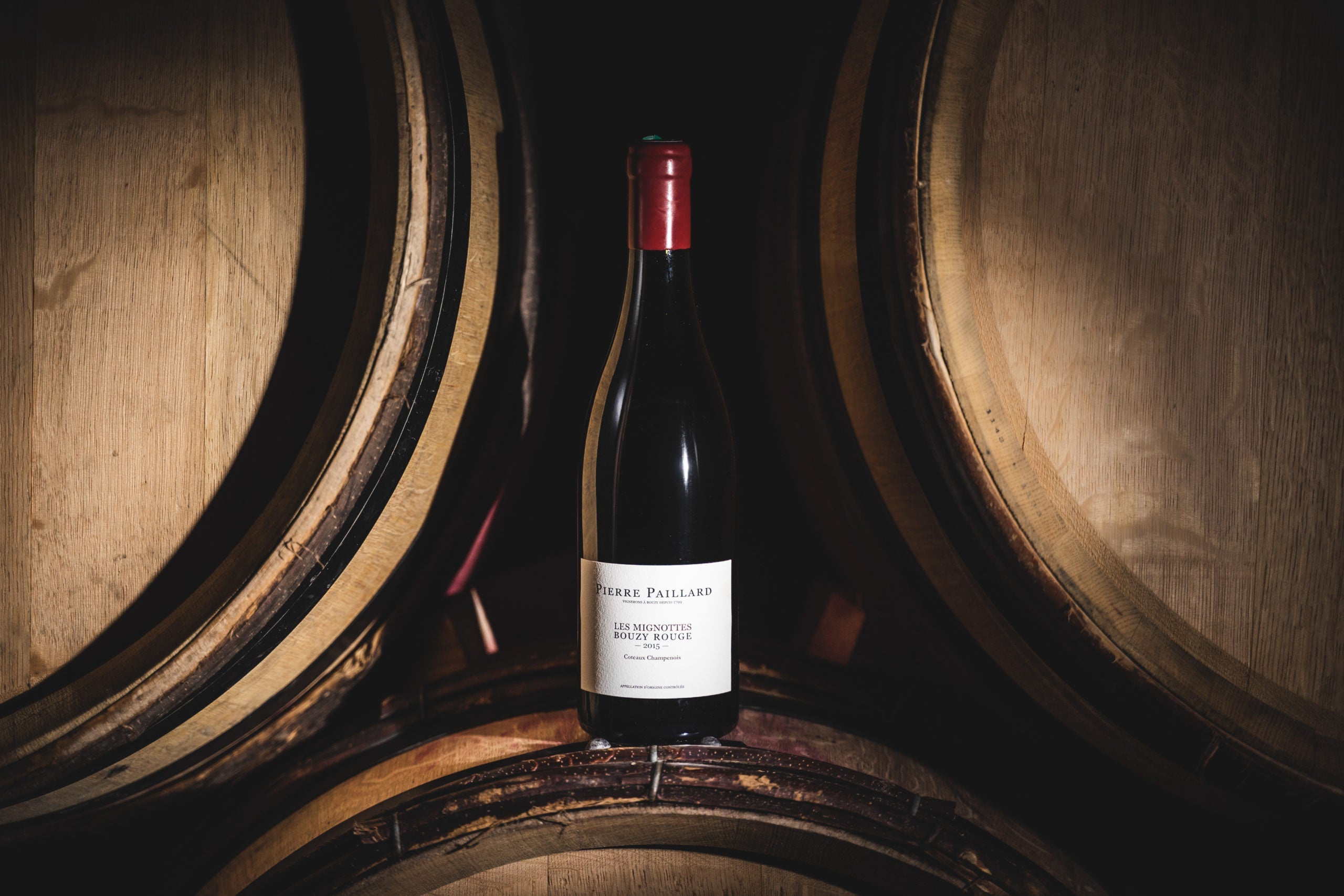
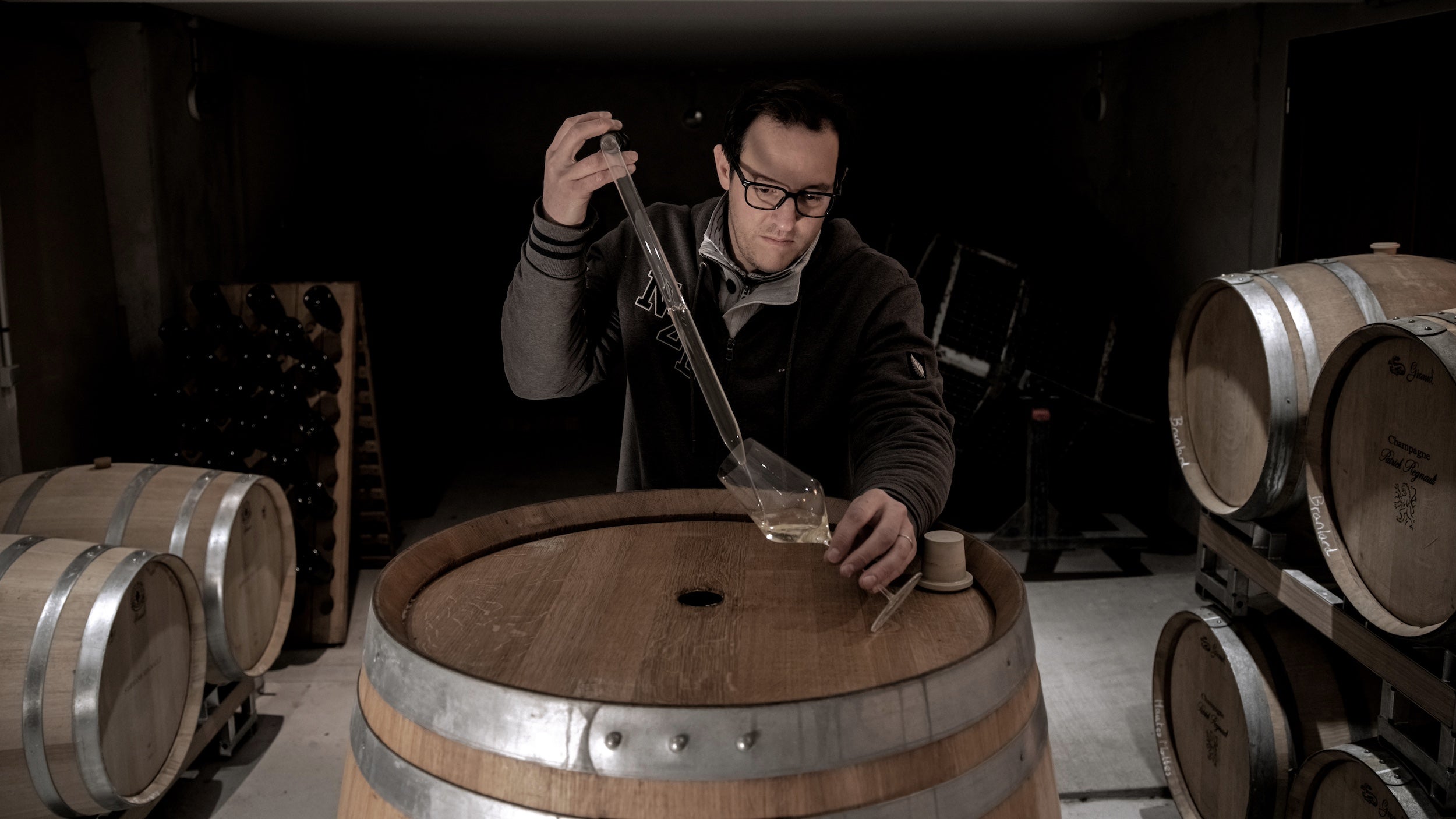
My idea of winemaking is very simple. A beautiful expressive grape is enough in itself. However, I still like to use barrels, the image, the history, the sensations, the work, the diversity, all these elements push me to vinify with barrels. The link between the wood and the grape juice is very strong, a real complementarity must be created, neither too much nor too little!
The wine must not be dominated by the barrel and the wood must still work with the wine. Each barrel brings a unique aromatic complexity and allows me to create endlessly when blending.
When I started making my wines, I wanted to reclaim my terroir, which is why I chose to make single-plot Champagnes. Each plot has its own history, its own identity, which is also why all my fermentations during the harvest are spontaneous, the idea is that each plot has its own biodiversity, its own flora. The ferments, naturally present on the skin of the grapes, are normally different from one plot to another, so it seems logical to me not to interfere with the identity of the plot of which the ferments are a part like the grapes!
Fermentation is therefore done naturally. Once fermentation is complete, it is time for aging; I do not rack before June unless a wine presents a need during tastings. Long months of work with the lees allow the wine to build and acquire complexity.
Regarding the use of SO2, I always use it just after pressing and from time to time during aging, but this remains exceptional! Before having to use SO2, another solution exists: stirring, re-suspending the lees in the wine, which protects the wine from oxidation. If there is no change after two stirrings, I will use a little SO2 to protect it, but always in a very low dose.
THE VINTAGES
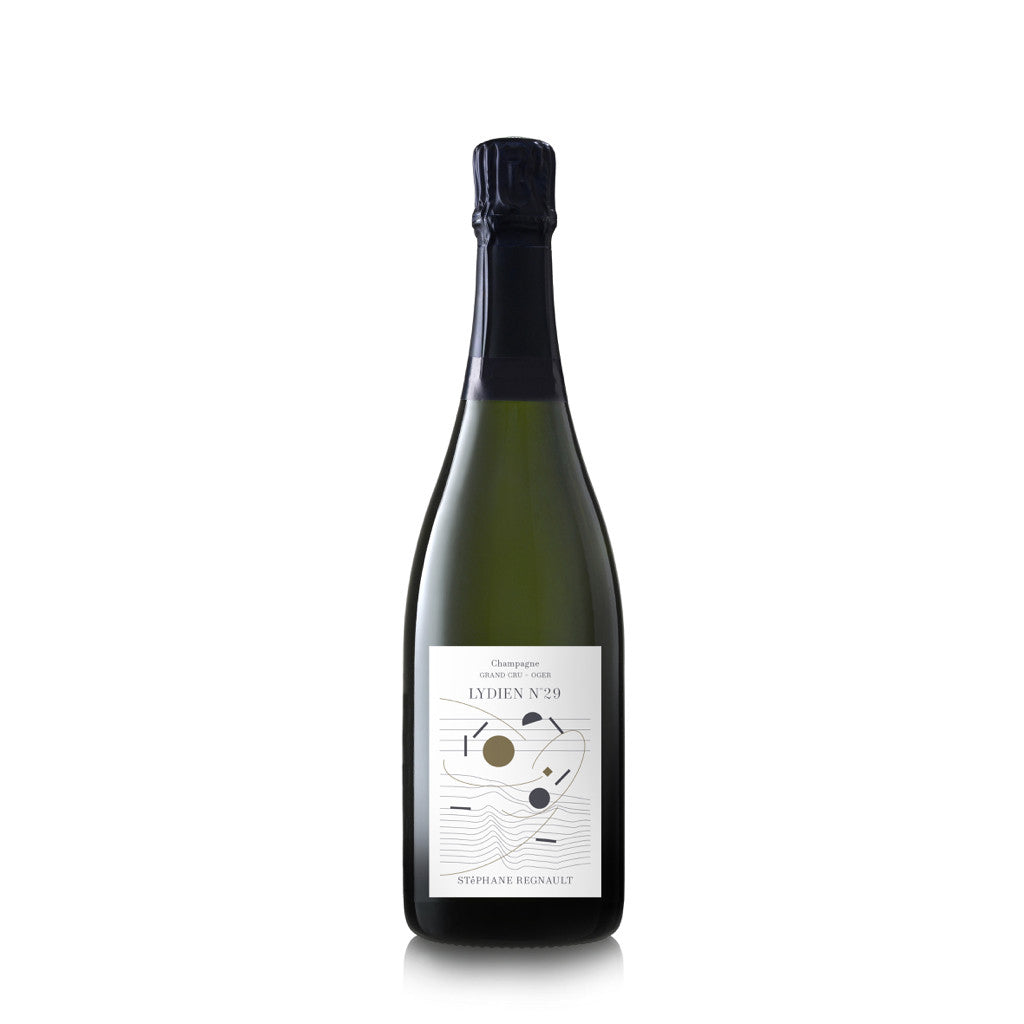
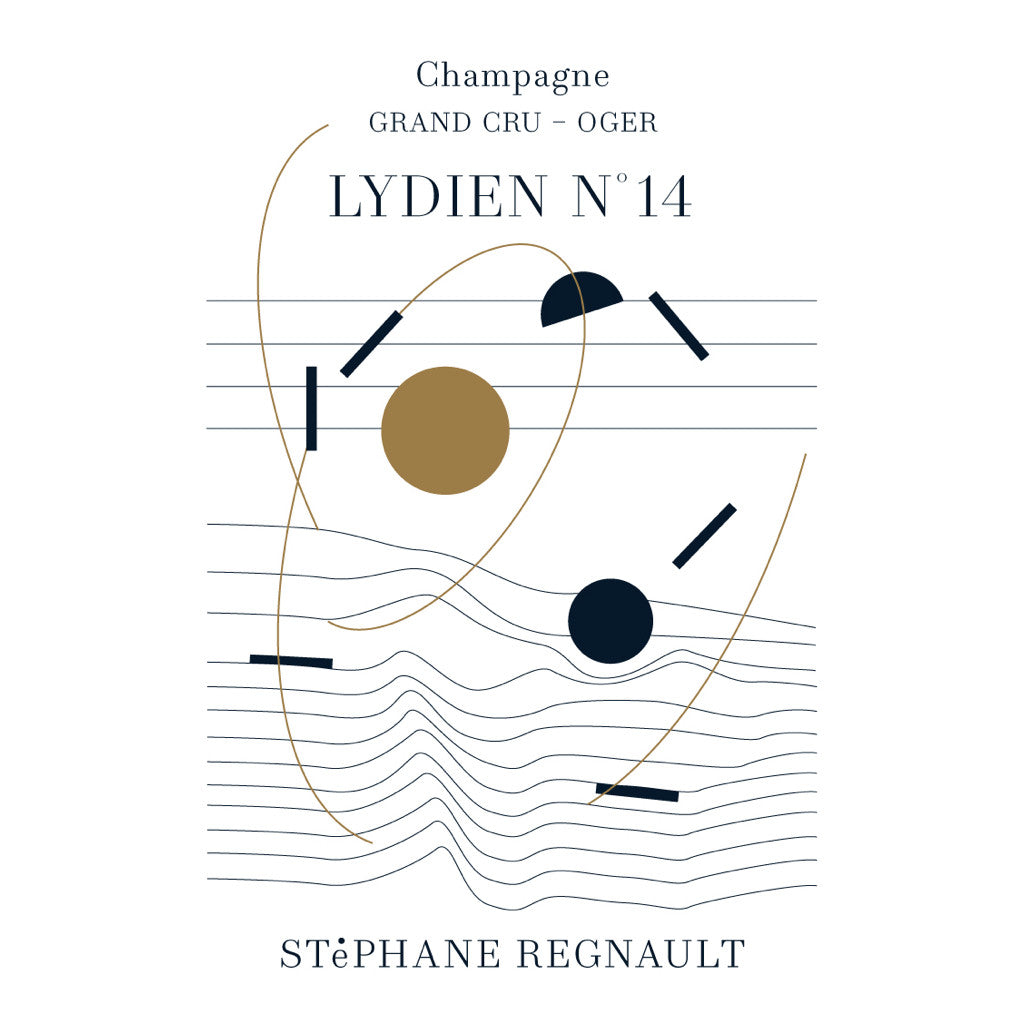
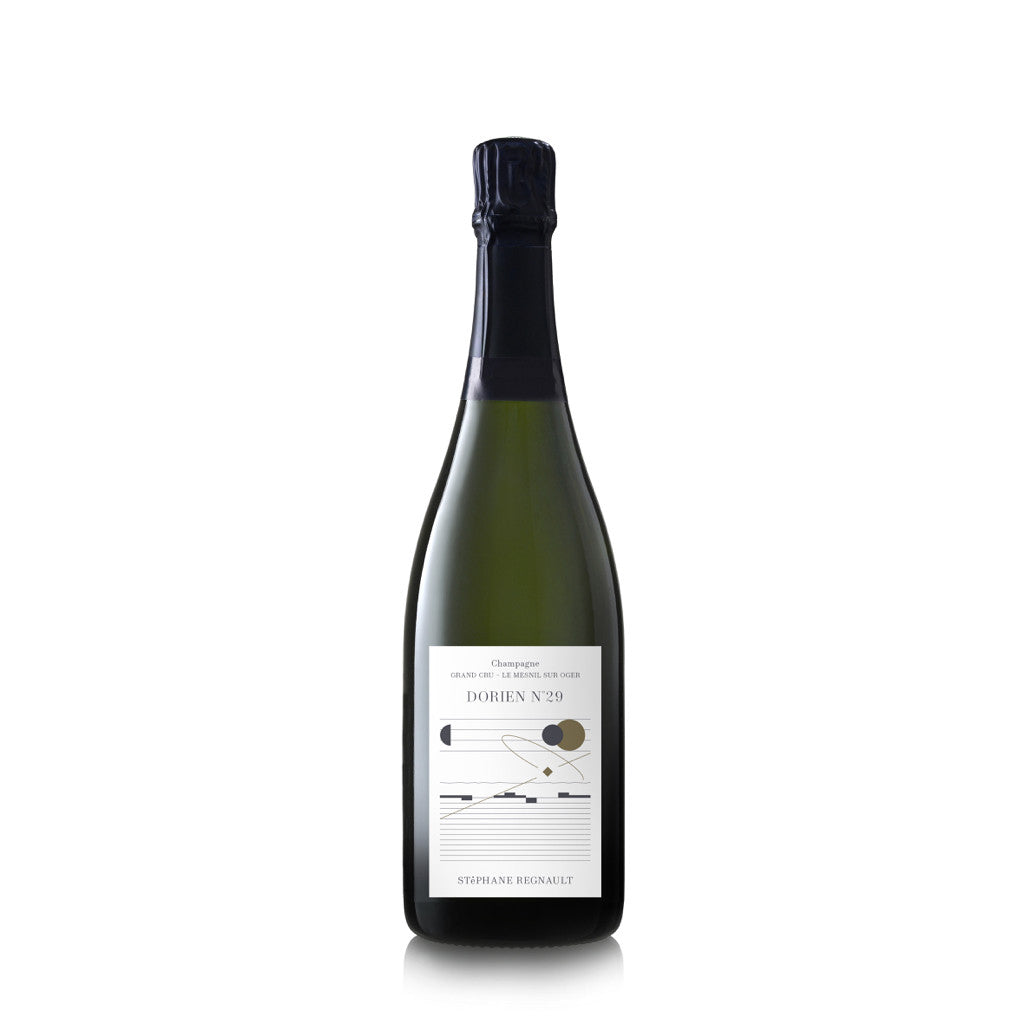
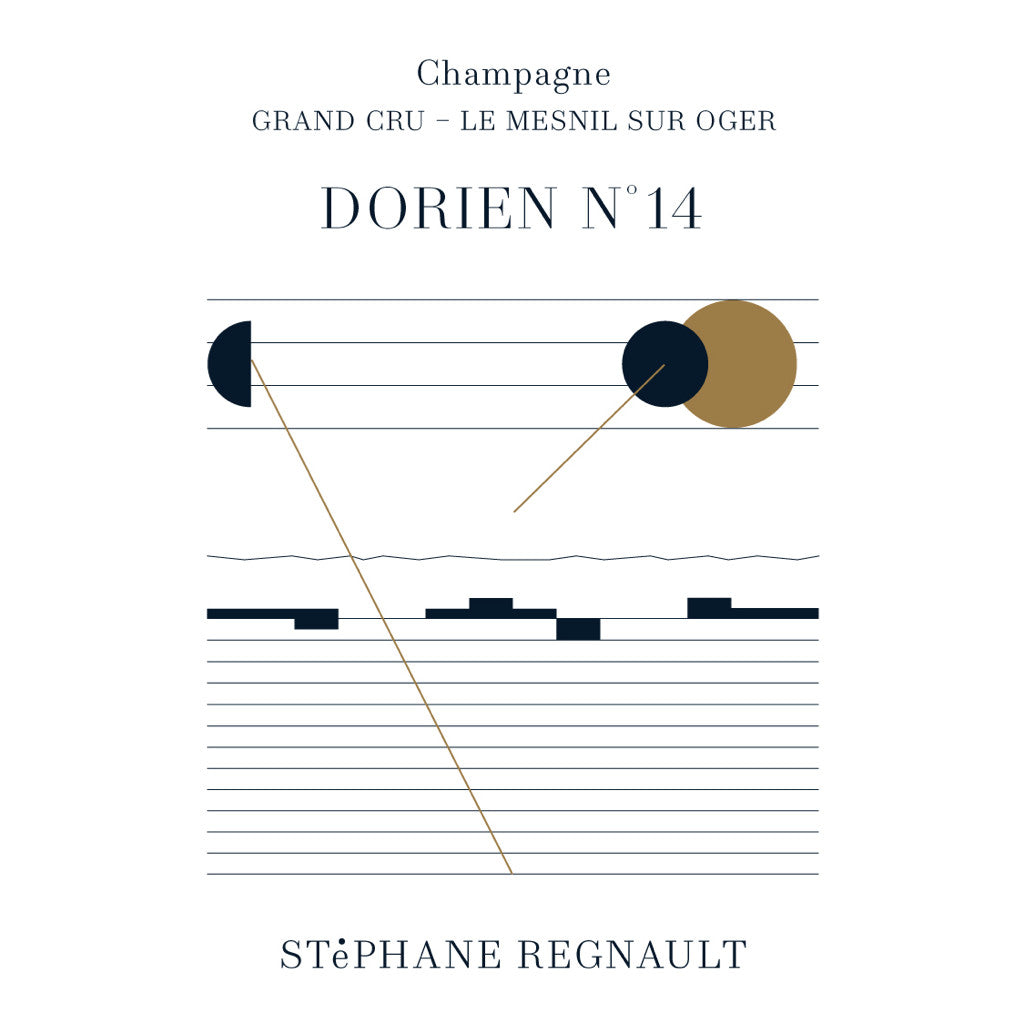
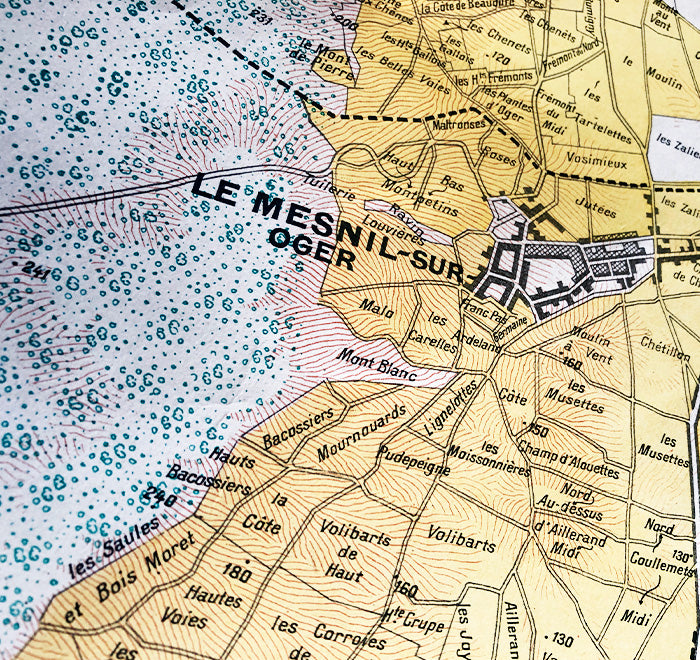
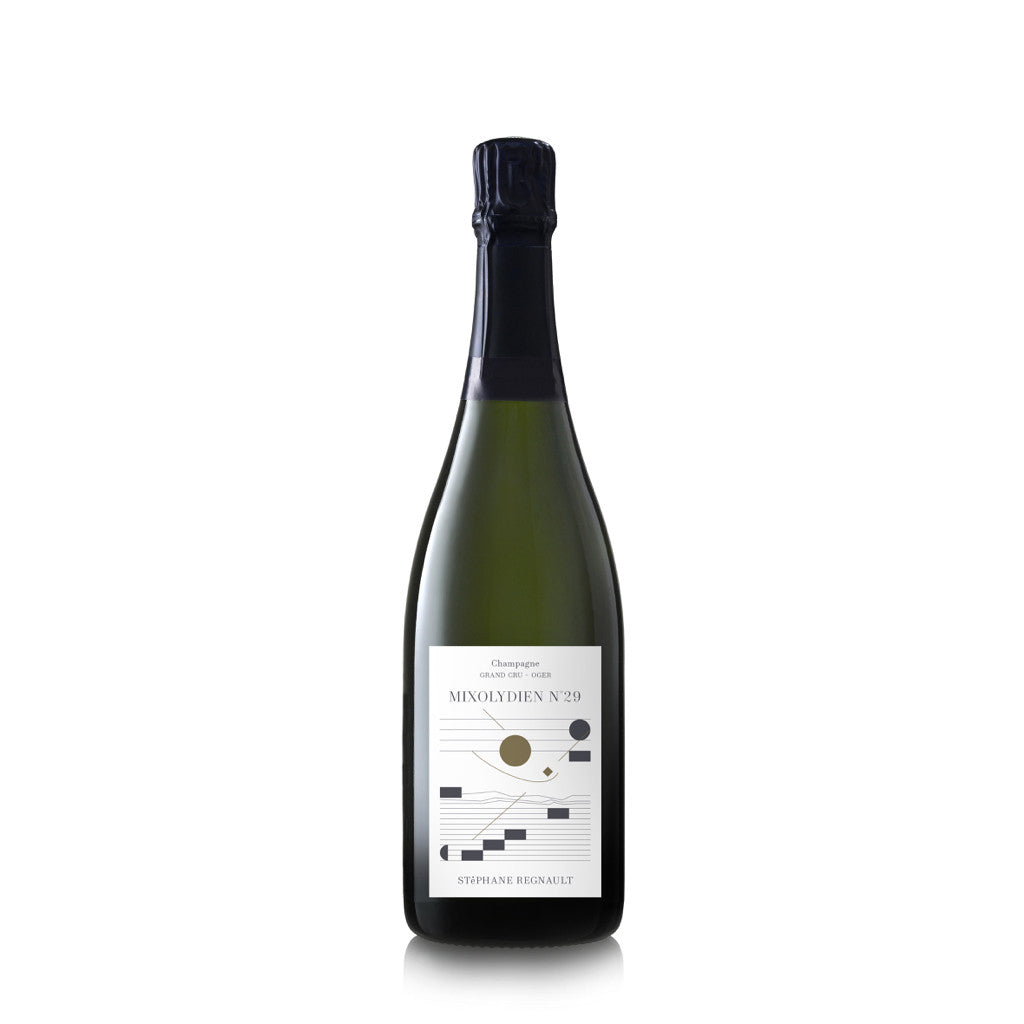
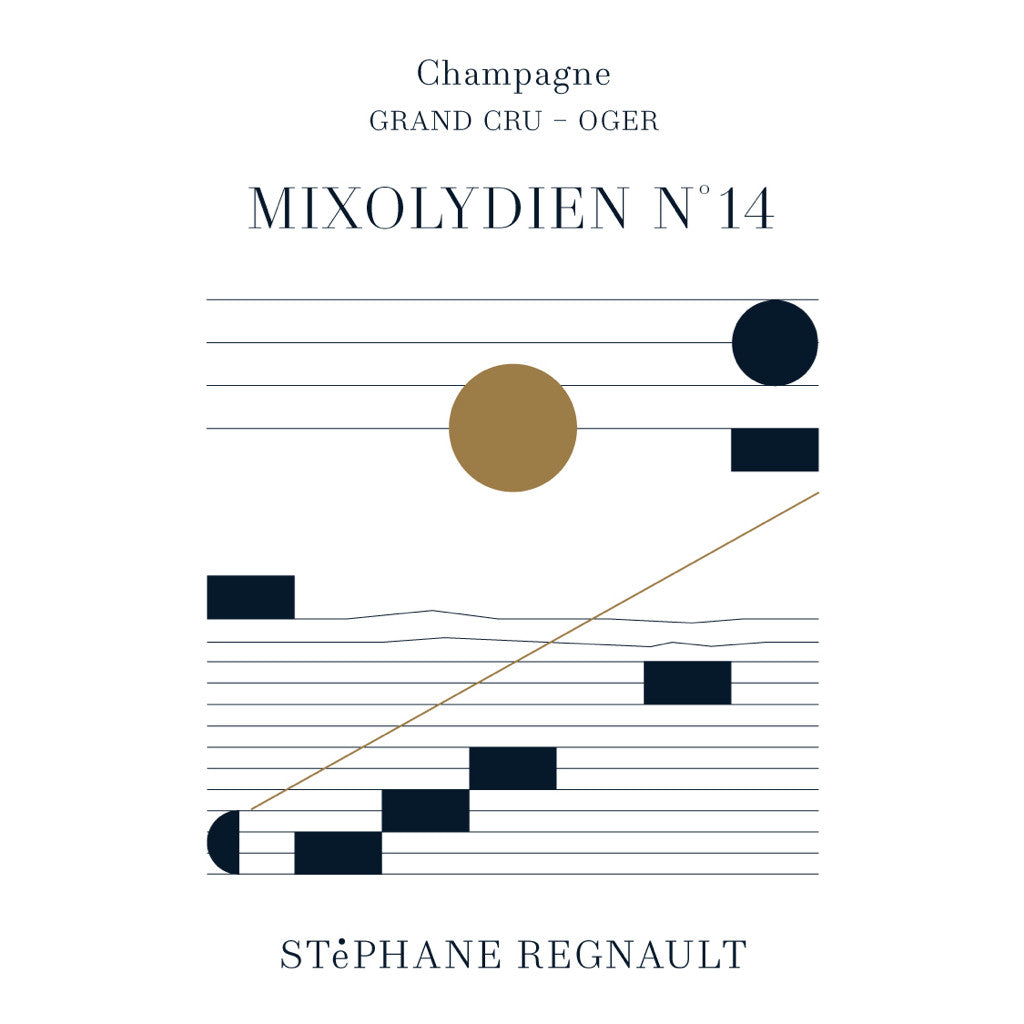
Lydien, Mixolydien, Dorien, these words don't necessarily mean anything to you. They are actually borrowed from the musical lexicon. They are modes, used in particular in modal jazz during improvisation to give the musician more freedom. As Miles Davis said, when we played in modal we could continue endlessly. Each mode will bring a specific atmosphere to the same piece, just as the terroir will create a different wine with the same grape variety. I started my vinifications with 3 plots, two on Oger and one in the lower Mesnil on Oger. Even if the chalk seems the same on the entire hillside, the exposure, the depth of the soil, the fracturing of the chalk brings differences that will modify the wines. Just as the musical mode will bring its own sound.
All the work done in the vineyards since I returned has allowed me to know each plot well, their weaknesses, their strong points. But I did not know what this gave in the wines. That is why I immediately wanted to make vinifications by separating each plot. In order not to lose one of the elements so important in Champagne that is the blend, I wanted to keep reserve wines from each plot that I then worked in solera. A solera is a blend of all the vintages. Each year I will use part of the soleras to make my blends and fill the gap with wine from the year and from the same plot. This brings us to the explanation of the cuvée numbers.
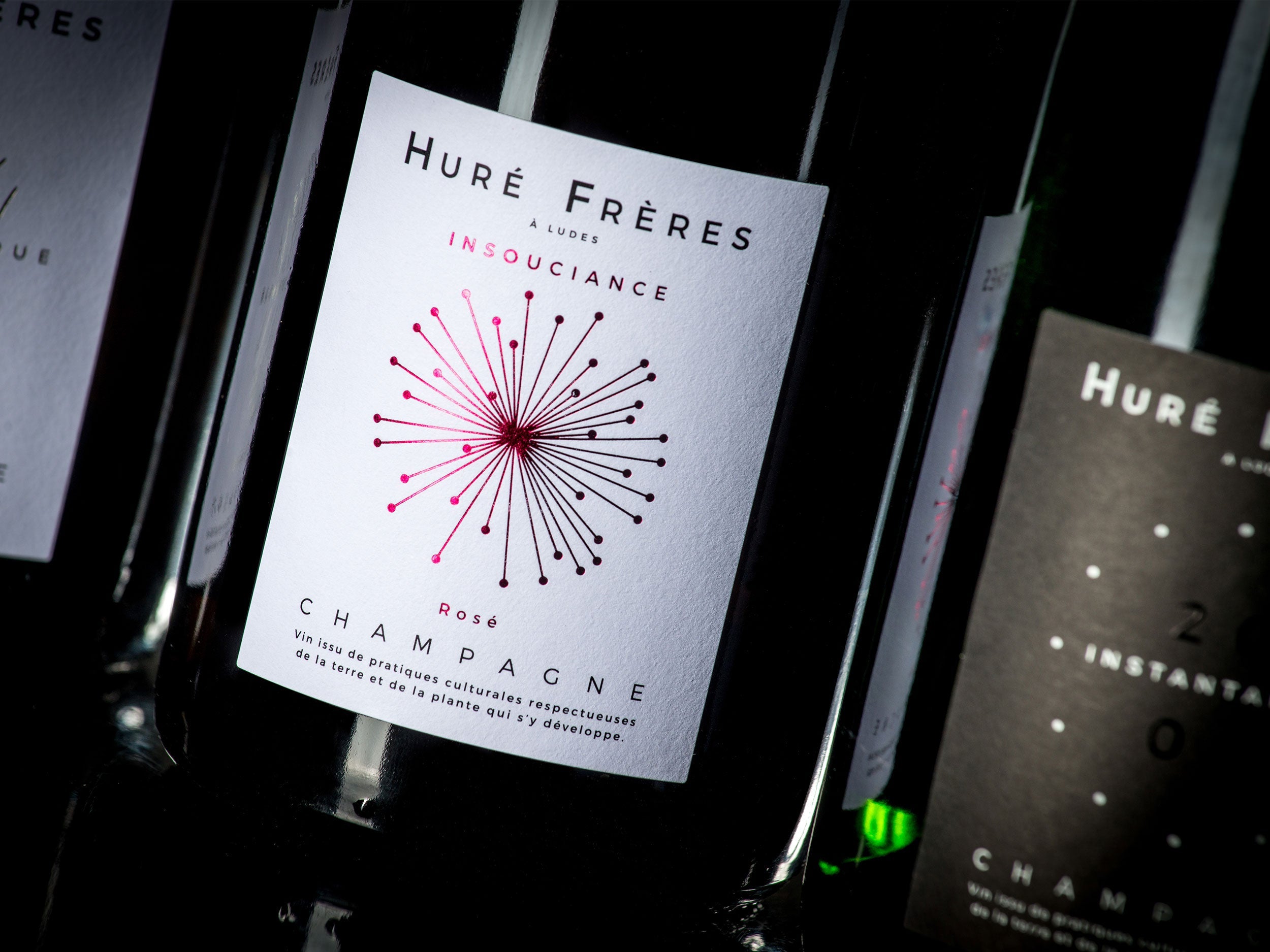
Lydien n°45; comes from the Chemin de Flavigny plot, from the 2016 harvest. Bottled in July 2017, in the blend there will therefore be a majority of wines from the year 2016, approximately 80% and 20% reserve wine from the solera, therefore a mixture of 2014 and 2015. 14+15+16=45
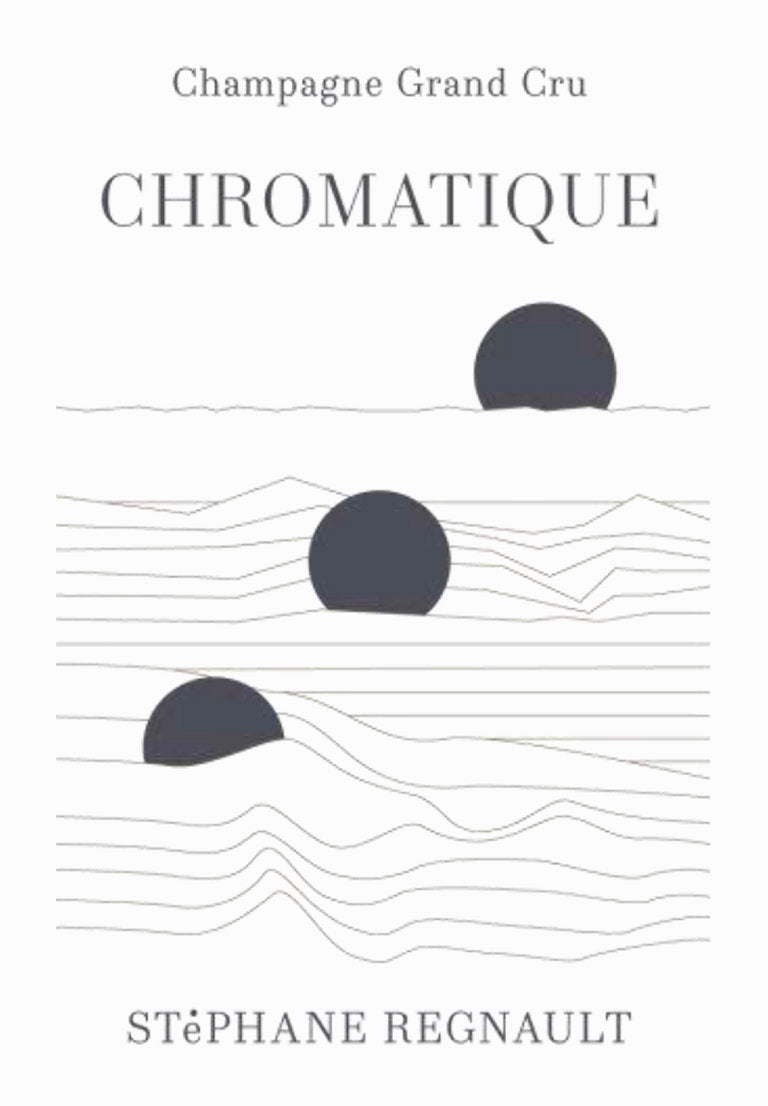
Chromatique is an assembly of all the plots, in music, the chromatic scale is a scale where we use absolutely all the notes!