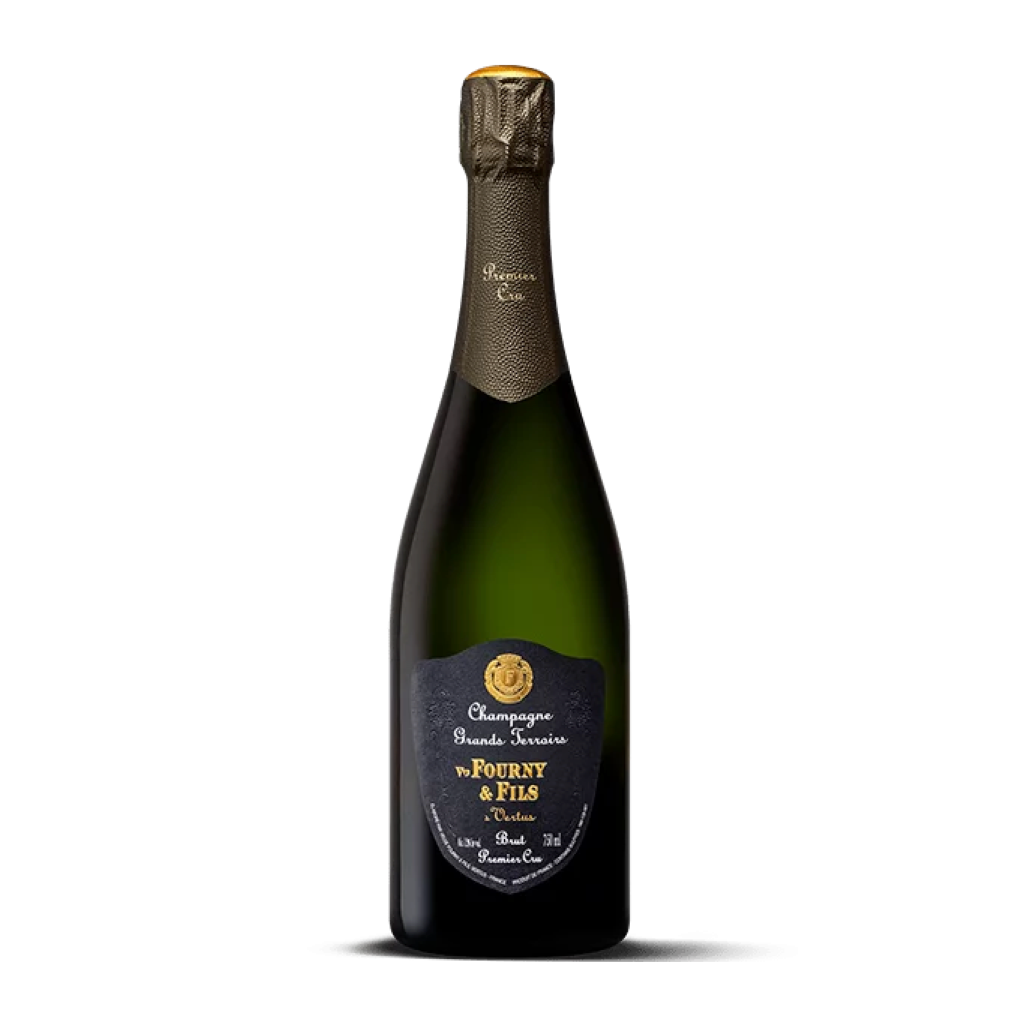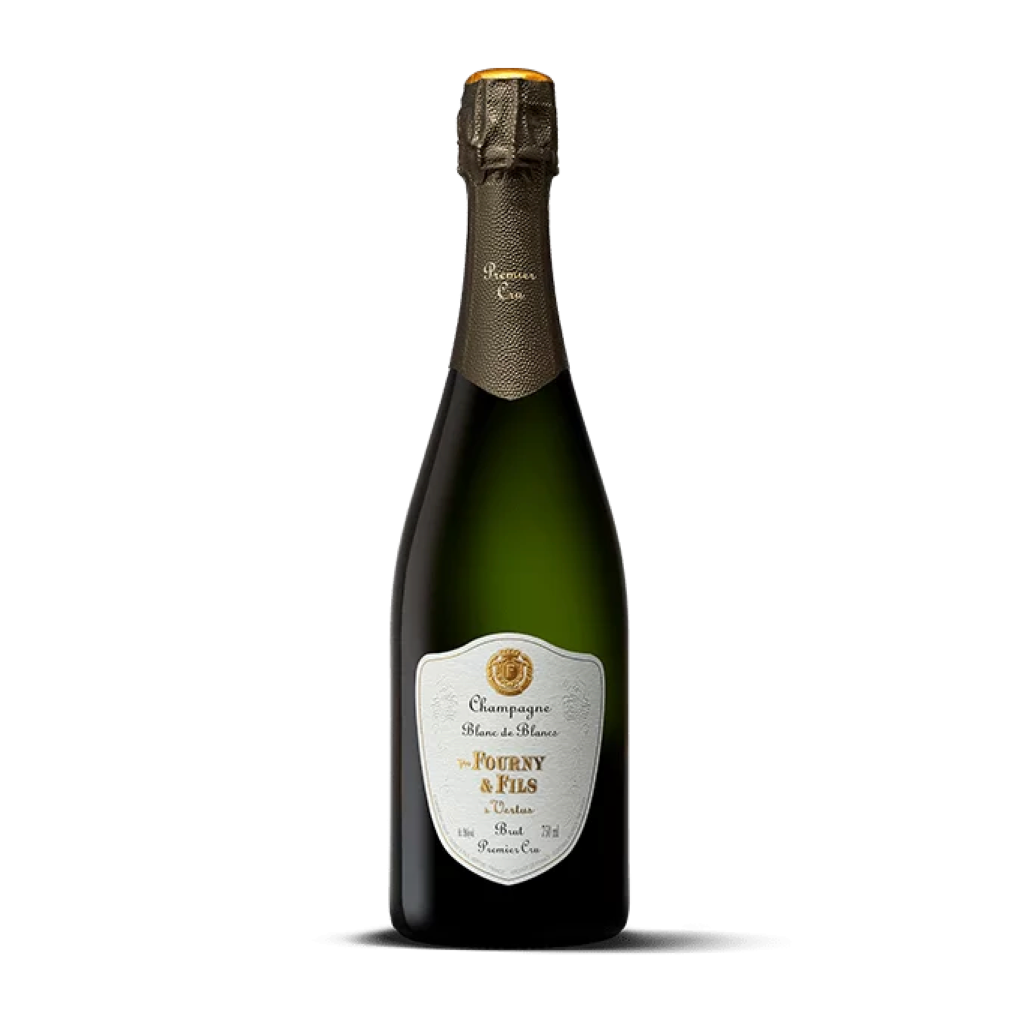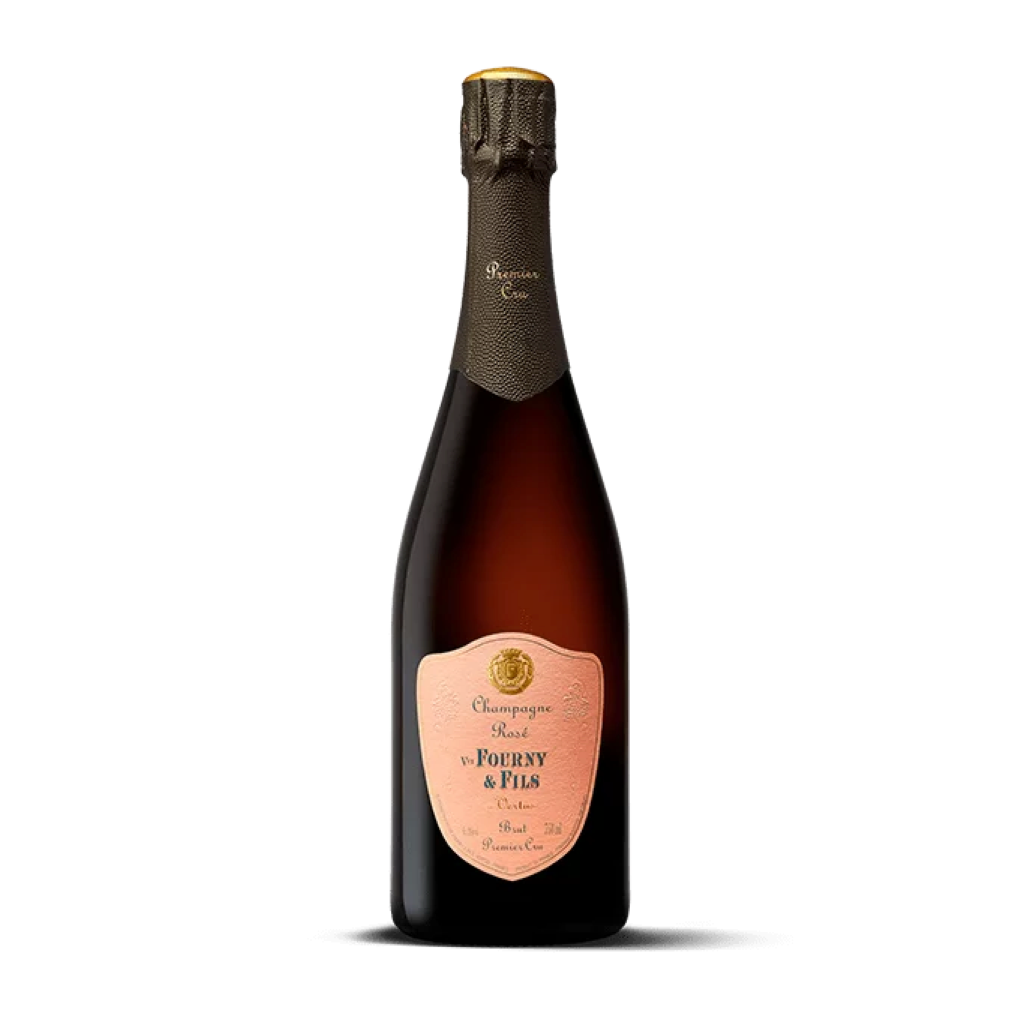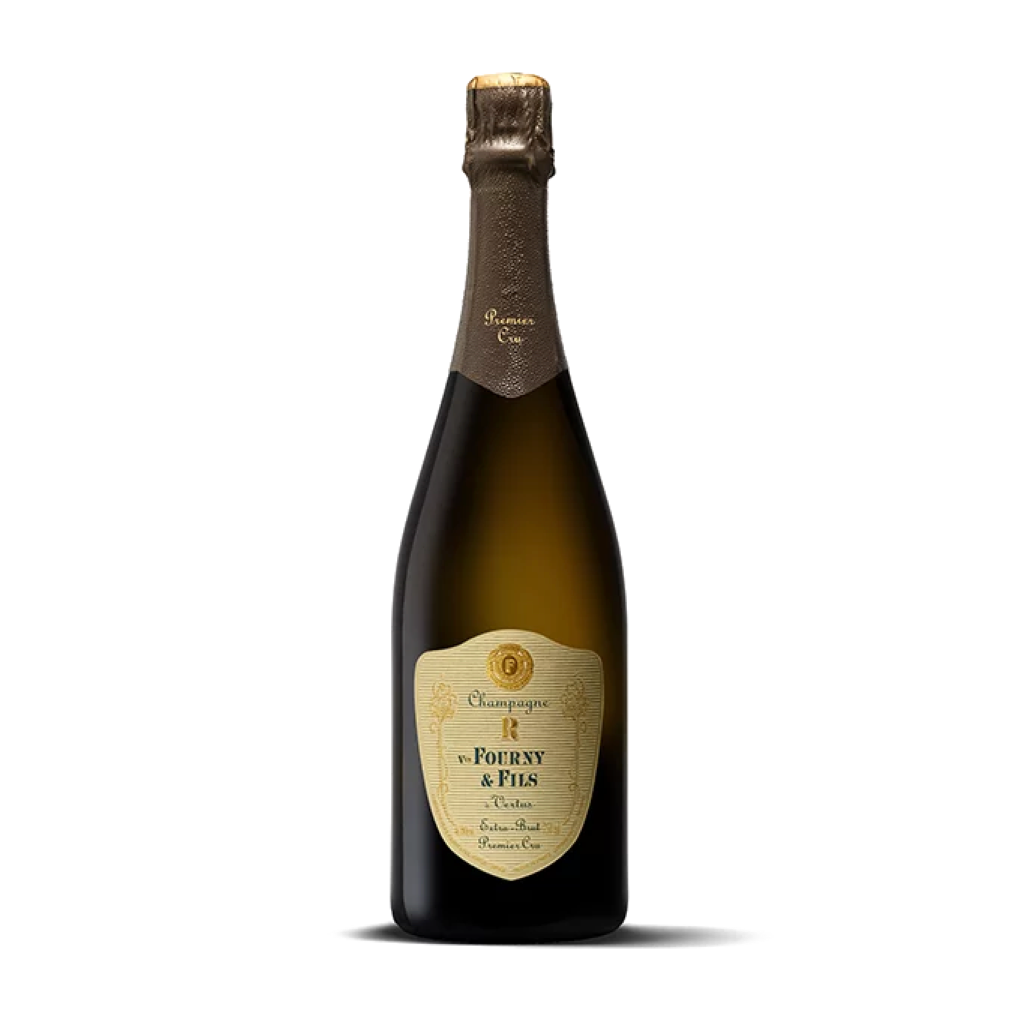

A FAMILY, A CLOS, A PREMIER CRU
THE EXCELLENCE OF THE TERROIR
Specialists in the Vertus Premier Cru vineyards
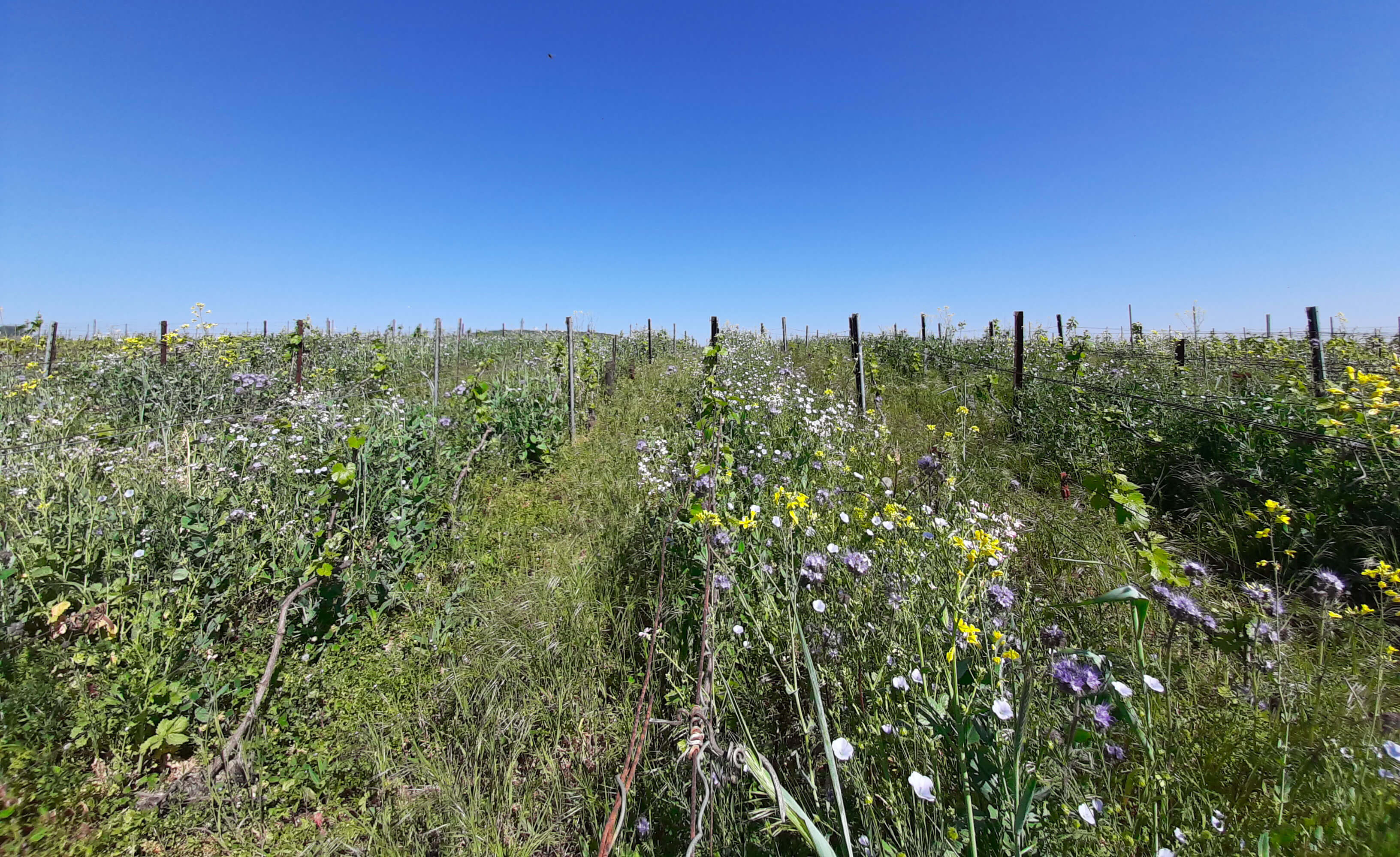
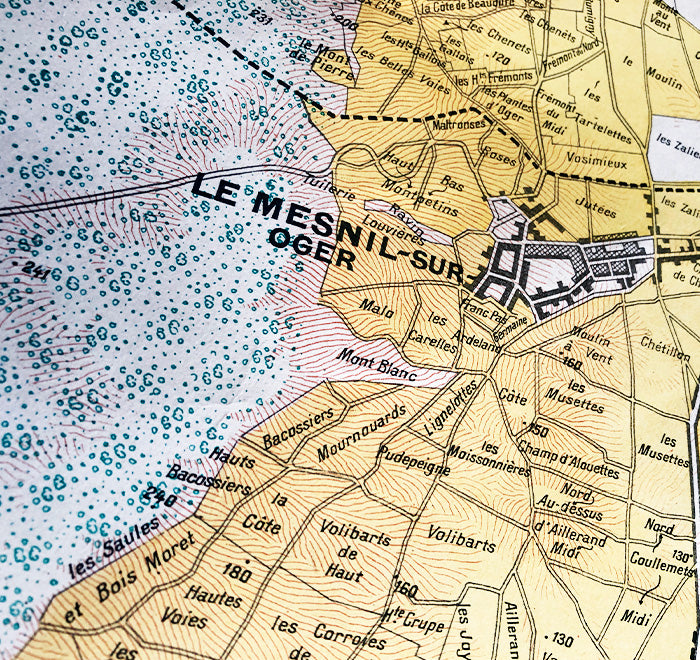
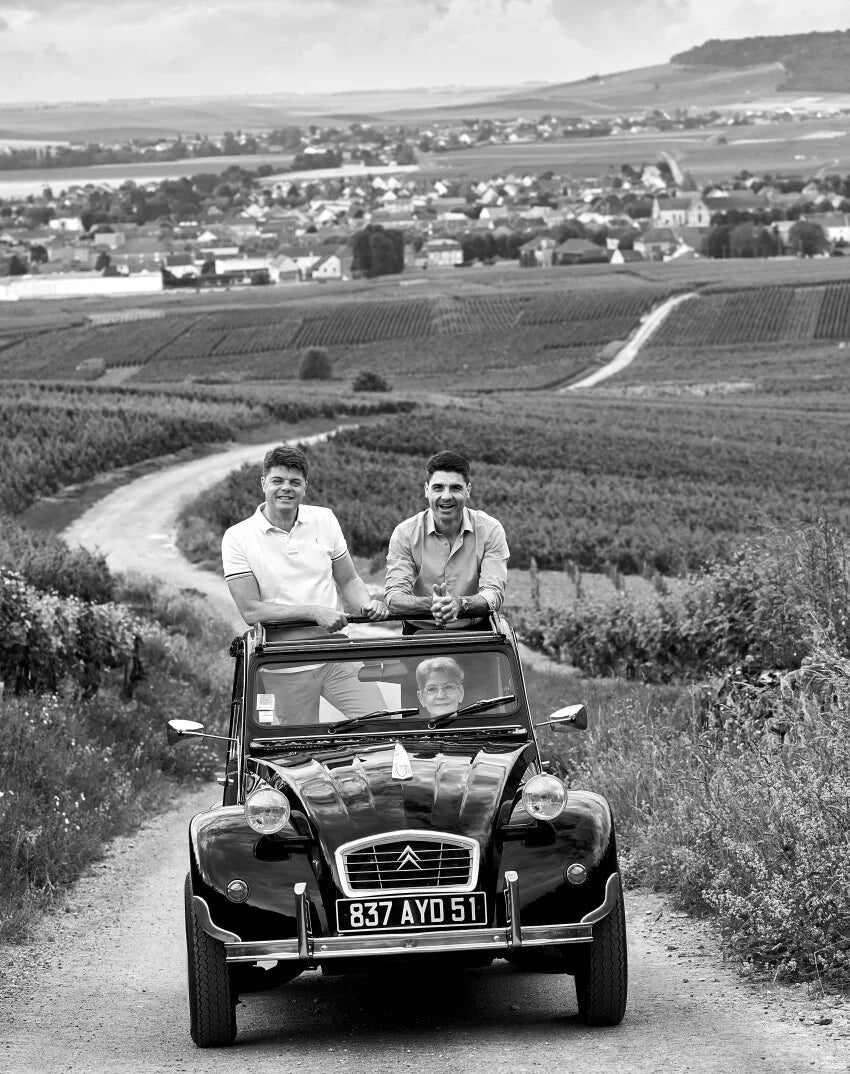
Charles-Henry and Emmanuel Fourny, the fifth generation to produce Champagne wines, now run the estate in Vertus, with an exceptional understanding of their “complete” terroir and its geological characteristics. The soils are predominantly chalky, with little clay and areas where pure chalk reaches the surface. Three distinct soil types can therefore be identified: brown soil over chalk, rendzina over chalk, and brown soil over chalk gravel. Exposure is also a key factor in the diversity of the terroir, with Vertus offering three main exposures: east, south and south-east. A highly detailed plot-by-plot selection is carried out, with separate vinification of grapes from around forty different lieux-dits within the Vertus Premier Cru appellation. This mosaic of expressions gives each cuvée its own personality and distinctive identity when the wines are blended. The estate has another genuine advantage: its vines are more than 40 years old on average. An ideal age for drawing out the mineral salts from the soil as fully as possible. In addition, the vineyard is predominantly made up of massal selections, carried out by their grandfather Albert since 1930. This is a considerable asset, bringing consistency and complexity to the harvests. The soils are maintained using compost, with some areas ploughed and others grassed over, helping to preserve the vineyard.
HANDCRAFTED WINEMAKING
The Veuve Fourny style for a Premier Cru collection
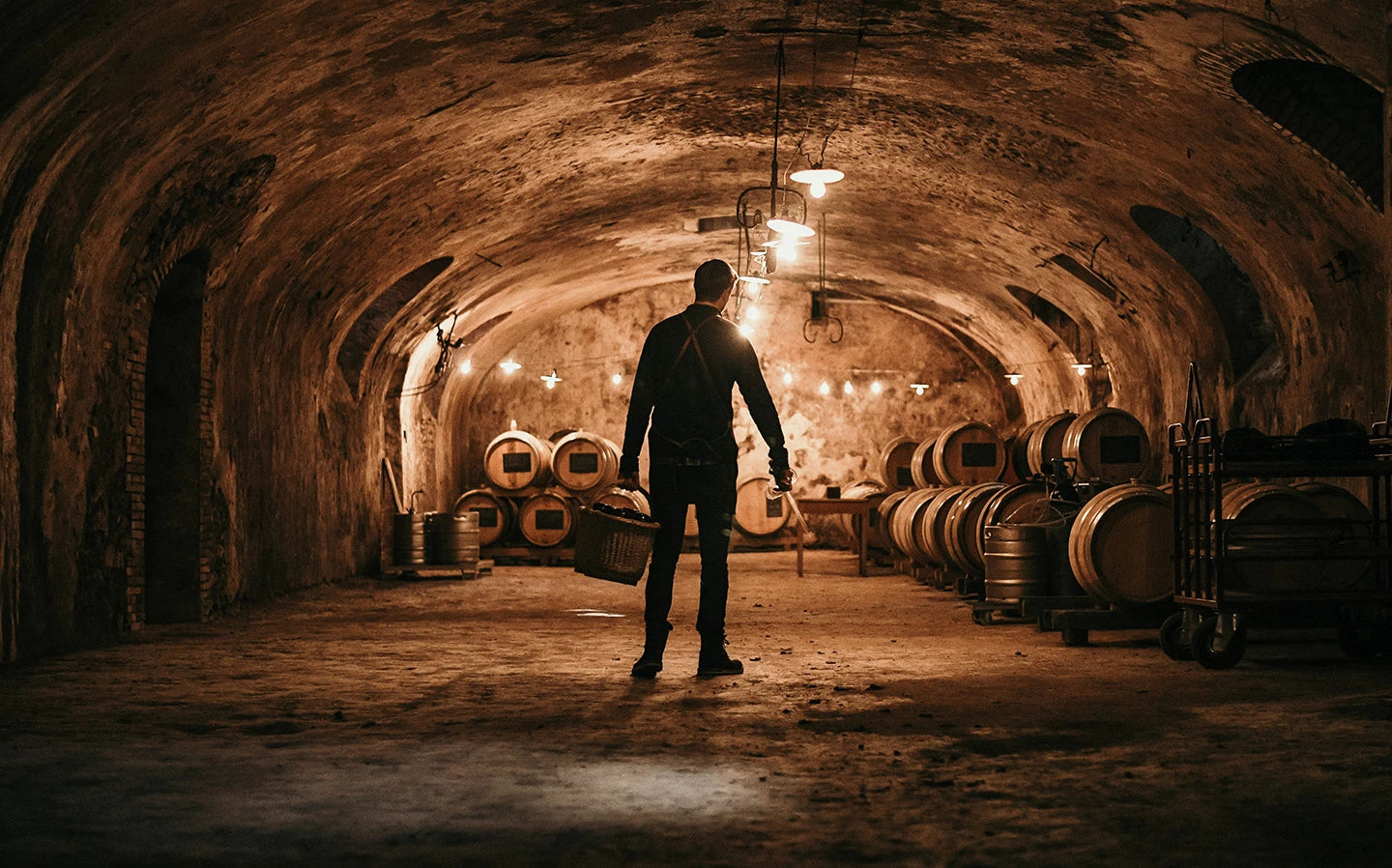
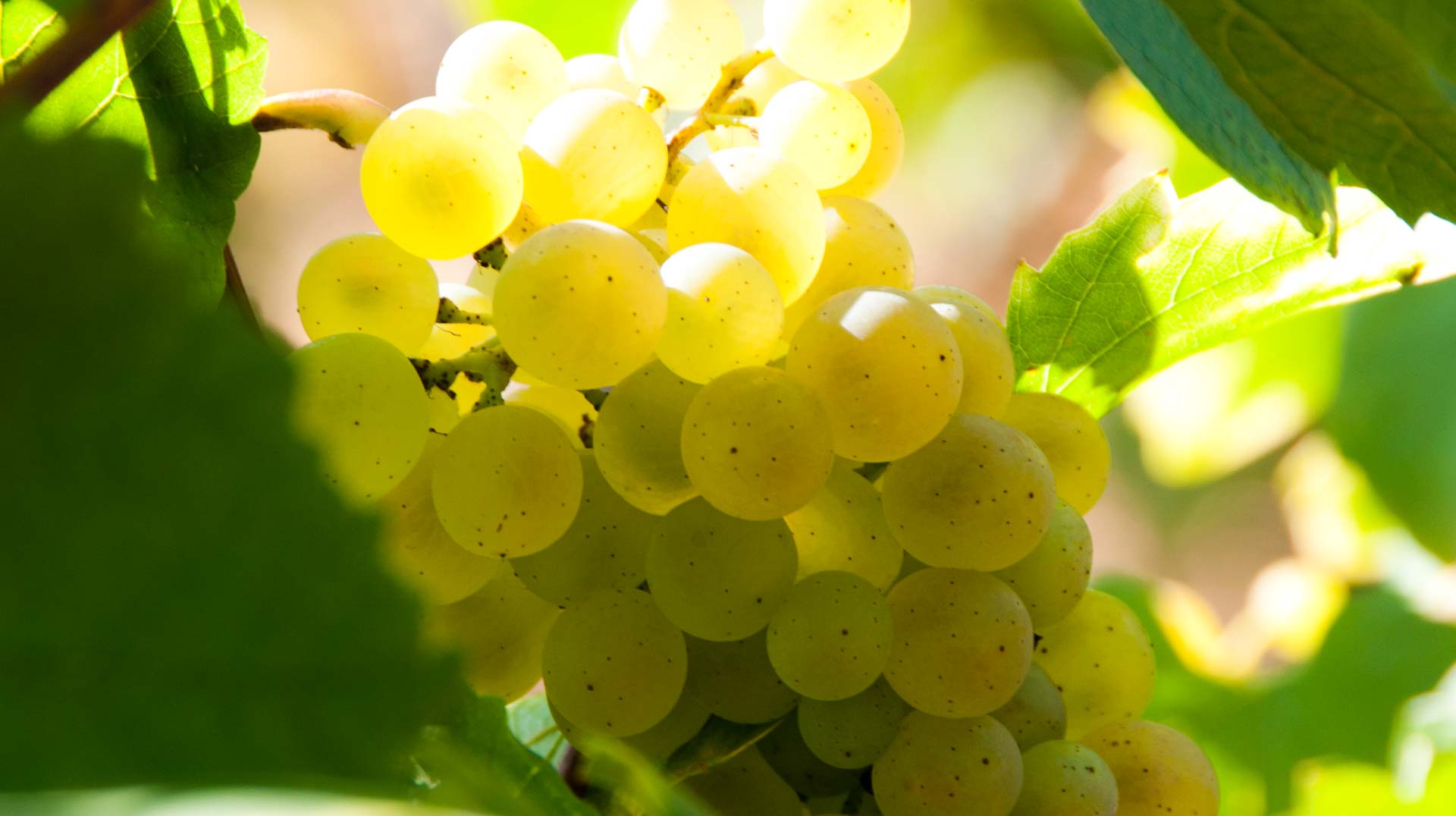
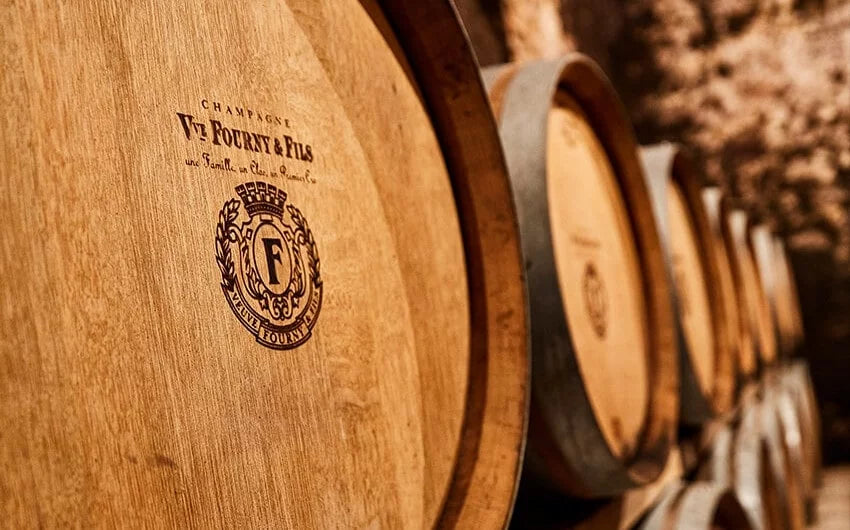
“Like a haute couture workshop, each vineyard plot is imagined as a fabric, a textile. Each year, assembling these fabrics allows us to create unique pieces. These pieces make up the collection, with a distinctive style: racy, finely crafted and precise.” Their commitment in the vineyard reflects a deep respect for their terroir, which they carry through into the cellar. They patiently wait for the grapes — Chardonnay and Pinot Noir — to reach optimum maturity, seeking the right balance between substance and freshness. The harvest is carried out by hand and plot by plot, after which the grapes are gently pressed. Only the finest juices, known as “cuvées”, are retained. The aim is to intervene as little as possible and allow the wines to take their time. This explains why, following the first alcoholic fermentation, the wines spend more than six months on their lees, either in tanks or in small, old oak vessels… This resting period allows the wines to reveal their full aromatic richness and complexity. In keeping with this non-interventionist approach, the wines are not fined and, for the most part, are not filtered. The aim is to create a natural connection, expressing a beautiful harmony between the substance of the fruit and the mineral salts of the soil. Reserve wines and current-vintage wines, barrel-aged or tank-aged, with or without malolactic fermentation, Pinot Noir or Chardonnay, lower-lying plots or south- or east-facing hillside parcels, old vines… All these elements form the collection of “fabrics” from which the nine unique pieces are composed. And to leave room for the full expression of the Champagnes, the wines are not dosed, or only very lightly dosed, at disgorgement.